
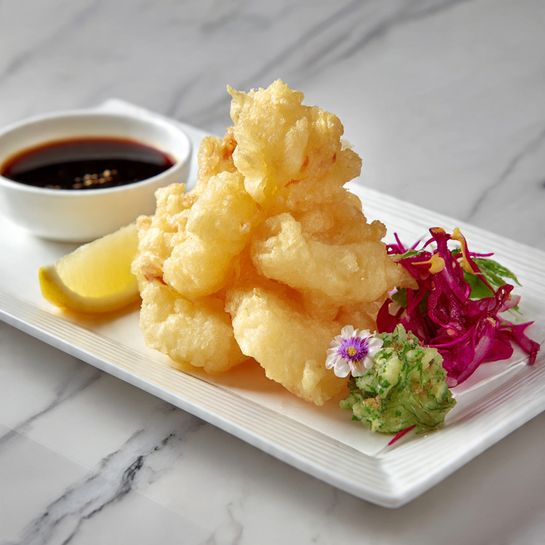
If you’ve ever marveled at that perfect, delicate crunch of tempura in Japanese cuisine, you’re about to fall in love with the ins and outs of its making. Crisp Science: Unlocking the Chemistry of Perfect Tempura Recipe is more than just following a list—it’s a celebration of artistry and science mingling in your kitchen. This recipe reveals how every element, from the type of flour to oil temperature, choreographs a dance resulting in that unmistakable light, airy bite that makes tempura so irresistible.

Ingredients You’ll Need
The beauty of this tempura recipe lies in its simplicity. Each ingredient plays a crucial role, blending science and flavor to create that signature texture and taste you’ll crave. Getting the right balance with these essentials ensures your tempura batter is light, crisp, and utterly seductive.
- 3/4 cup cake flour, sifted: Cake flour’s low protein content keeps the batter tender and prevents toughness.
- 1/4 cup cornstarch: Adds extra crispiness by giving the batter a light, sheer finish.
- 1 large egg, lightly beaten: Provides structure and richness without weighing down the batter.
- 1 cup ice-cold sparkling water: Incorporates bubbles that make the batter airy and helps maintain a low temperature crucial for crispness.
- Vegetables and seafood of your choice: Sweet potato slices, shrimp, shiitake mushrooms—dry and fresh ingredients both shine in this batter.
- Vegetable oil for deep frying (canola or sunflower preferred): Neutral in flavor and high smoke point, ideal for the perfect fry.
- Salt to taste: Sprinkled at the end to brighten flavors without overpowering the delicate batter.
How to Make Crisp Science: Unlocking the Chemistry of Perfect Tempura Recipe
Step 1: Prepare Your Ingredients Properly
Start by patting your seafood and vegetables completely dry. Moisture is the enemy of crispiness because excess water steams during frying, causing the batter to become soggy. This simple step sets the foundation for the crisp masterpiece ahead.
Step 2: Combine Flours with Care
In a chilled bowl, sift cake flour and cornstarch together to evenly distribute starch and protein. This balance is the core of Crisp Science: Unlocking the Chemistry of Perfect Tempura Recipe, giving the batter both structure and that unforgettable crunch.
Step 3: Mix the Batter Gently
Add the lightly beaten egg, then pour in your ice-cold sparkling water gradually. Stir only a few times using chopsticks or a fork—lumps are your friends here. Overmixing develops gluten, which toughens the batter and ruins that delicate texture you’re after.
Step 4: Master the Oil Temperature
Heat your oil to a steady 350°F (175°C). Monitoring temperature carefully is where many falter, but it’s essential for sealing the batter instantly and preventing oil absorption. Too hot and your tempura burns; too cool and it soaks up oil and loses that light crunch.
Step 5: Dip and Fry With Confidence
Coat your prepared ingredients in the batter, letting the excess drip off. Gently lower them into the oil, frying in small batches so the temperature stays stable and everything cooks evenly. Watch for a pale golden color, typically 2 to 3 minutes depending on size and thickness.
Step 6: Drain and Cool to Crunch perfection
Remove your tempura with a slotted spoon, placing them on a wire rack above paper towels. Cooling slightly is a game-changer; it lets steam escape slowly, ensuring every bite stays crispy and never soggy. This finishing touch seals your success at Crisp Science: Unlocking the Chemistry of Perfect Tempura Recipe.
How to Serve Crisp Science: Unlocking the Chemistry of Perfect Tempura Recipe
Garnishes
A sprinkle of flaky sea salt or a dash of matcha salt elevates the tempura’s flavor without stealing attention. Freshly grated daikon radish and a wedge of lemon add brightness and contrast to the golden batter, tuning the dish beautifully for your palate.
Side Dishes
Serve with a bowl of steaming steamed rice or delicate soba noodles for a balanced meal. A dipping sauce made with dashi, soy sauce, and mirin complements the tempura’s texture while introducing subtle umami notes that keep every bite exciting.
Creative Ways to Present
Try serving your tempura arranged on a bamboo mat or layered atop edible shiso leaves for an authentic touch. Pair with colorful pickled vegetables for a vibrancy boost or present it artistically with small bowls of various dipping sauces, letting guests customize their experience.
Make Ahead and Storage
Storing Leftovers
Tempura is best enjoyed fresh, but if you have leftovers, store them uncovered on a wire rack in the fridge to prevent sogginess. Avoid airtight containers, as trapped moisture softens the crisp coating quickly.
Freezing
While not ideal, you can flash-freeze tempura pieces on a baking sheet and then transfer to a freezer bag to retain texture. Keep in mind, some crispness will be lost, but it’s a decent option to extend your crispy indulgence.
Reheating
Reheat gently in a preheated oven or toaster oven at 350°F for 5-7 minutes to revive crunchiness. Avoid microwaving, which creates steam and ruins the very crisp science behind this perfect tempura recipe.
FAQs
Why is sparkling water used in the batter?
Sparkling water introduces carbon dioxide bubbles that lighten the batter, making it airier and crispier when fried. The cold temperature also slows gluten formation, preserving tenderness.
Can I use regular flour instead of cake flour?
You can, but cake flour is preferred because of its lower protein content, which keeps the batter delicate. Using all-purpose flour may make the coating tougher and less light.
How critical is the oil temperature?
Extremely critical. Frying between 340-360°F locks moisture inside the tempura and crisps the outside quickly. If too cool, it absorbs oil and becomes greasy; too hot, it burns unevenly.
Is it okay to prepare batter in advance?
For optimal crispness, it’s best to prepare the batter just before frying. The tempura batter will lose its bubbles and become dense if it sits too long.
What types of vegetables are ideal for tempura?
Root vegetables like sweet potatoes, mushrooms, green beans, and seafood such as shrimp all work beautifully. Firm textures hold up well to frying and contrast wonderfully with tender batter.
Final Thoughts
If you’re ready to take your frying skills to a new level, give Crisp Science: Unlocking the Chemistry of Perfect Tempura Recipe a chance to shine in your kitchen. It’s a rewarding journey into flavor and technique that will impress family and friends alike, transforming simple ingredients into pure crunchy joy. Trust me, once you master this recipe, tempura nights will become your new favorite tradition.
Crisp Science: Unlocking the Chemistry of Perfect Tempura Recipe
- Prep Time: 15 minutes
- Cook Time: 10 minutes
- Total Time: 25 minutes
- Yield: Serves 4 as an appetizer or side dish 1x
- Category: Appetizer
- Method: Frying
- Cuisine: Japanese
Description
Discover the art and science behind perfect tempura with this detailed recipe that combines traditional Japanese techniques and modern knowledge. Learn how the right balance of cake flour and cornstarch, the magic of ice-cold sparkling water, and precise oil temperature create a light, crispy batter that elevates vegetables and seafood to a crunchy delicacy. Perfect for home cooks aiming to master the technique of deep frying tempura with an airy, non-greasy texture.
Ingredients
Batter Ingredients
- 3/4 cup cake flour, sifted
- 1/4 cup cornstarch
- 1 large egg, lightly beaten
- 1 cup ice-cold sparkling water
Main Ingredients
- Vegetables and seafood of your choice (e.g., sweet potato slices, shrimp, shiitake mushrooms)
Frying
- Vegetable oil for deep frying (preferably canola or sunflower oil)
- Salt to taste, for finishing
Instructions
- Prepare the ingredients: Pat the vegetables and seafood dry thoroughly with paper towels to remove any surface moisture. This step is crucial because excess water can cause the batter to become soggy and reduce crispiness during frying.
- Mix the batter: In a chilled bowl, combine the sifted cake flour and cornstarch evenly. Add the lightly beaten egg, then gradually pour in the ice-cold sparkling water. Stir gently with chopsticks or a fork just until combined; lumps are acceptable. Avoid overmixing to prevent gluten formation, which can make the batter tough.
- Heat the oil: Using a deep-fryer or a heavy-bottomed pot, heat the vegetable oil to a consistent temperature of 350°F (175°C). Use a cooking thermometer to monitor and maintain this heat level precisely. Proper temperature is essential to ensure the batter crisps up quickly without absorbing excess oil or burning.
- Coat and fry: Dip each prepared vegetable and seafood piece into the batter, allowing excess to drip off. Carefully lower the pieces into the hot oil in small batches to avoid overcrowding, which can drop the oil temperature. Fry for about 2-3 minutes until the tempura turns a pale golden color and attains a crispy texture. Gently stir if pieces stick together.
- Drain and cool: Remove the fried tempura using a slotted spoon and place them on a wire rack set over paper towels to drain excess oil. Let the tempura cool slightly before serving; this cooling step helps steam escape and maintains the crispiness without sogginess.
Notes
- Using ice-cold sparkling water in the batter helps keep it light and airy because the carbonation adds bubbles that enhance crispiness.
- Avoid overmixing the batter to prevent developing gluten, which can make the tempura tough rather than crisp.
- Maintaining oil temperature precisely is key to achieving the perfect fry—too hot burns the batter and too cool makes it greasy.
- Use a wire rack to drain excess oil instead of paper towels alone to avoid steaming the tempura and losing crispness.
- Choose vegetables and seafood that fry well, such as sweet potatoes, shrimp, and mushrooms—cut vegetables thinly for even cooking.
Your email address will not be published. Required fields are marked *