
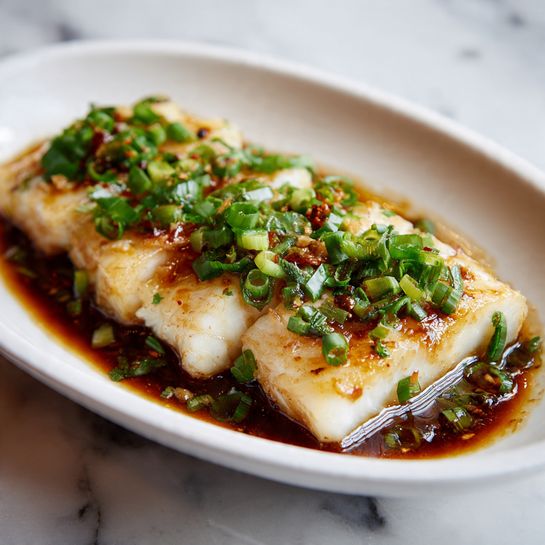
If you’ve ever wanted to bring a taste of authentic Cantonese home cooking to your table with minimal fuss, this recipe for Cantonese Ginger-Scallion Steamed Fish (Easy) is exactly what you need. Delicate fish fillets are gently steamed atop a fragrant bed of ginger and scallions, then finished with a sizzling hot oil and soy sauce dressing that elevates each bite. It’s light, fresh, and so satisfying—a true celebration of simplicity and flavor that’ll have you wondering why you ever reached for heavy sauces or complicated cooking methods.

Ingredients You’ll Need
This Cantonese Ginger-Scallion Steamed Fish (Easy) recipe shines because of its straightforward ingredients. Each one plays a starring role: fresh fish for tender texture, ginger and scallions for aromatic brightness, and a savory soy sauce blend that ties it all together with a perfect balance of salty and sweet.
- 400g hoki loin fillets: Choose a firm, white fish to hold up well to steaming without falling apart.
- 2 tbsp sugar: Adds a touch of sweetness to balance the soy sauce’s saltiness.
- 1 tbsp light soy sauce: Provides the essential savory base with brightness.
- 1 tsp dark soy sauce: Deepens the color and adds richness without overpowering.
- A thumb of ginger: Offers warmth and freshness, sliced and julienned for double purpose.
- A few sprigs of cilantro: Optional, for a fresh, herbaceous finish.
- One bunch green onions: Whites create a flavorful bed, greens add garnish and crunch.
- 4 tbsp cooking oil: Heated until smoking to release the ginger and scallion aromas when poured over the fish.
How to Make Cantonese Ginger-Scallion Steamed Fish (Easy)
Step 1: Prepare the Soy Sauce Mixture
Start by dissolving the sugar in a bit of hot water to balance out the saltiness perfectly. Then, add in both the light and dark soy sauces and mix until smooth. This simple sauce is what brings so much depth to the dish without adding heaviness.
Step 2: Prep Your Aromatics and Fish
While the water is coming to a boil for steaming, take half of your ginger and slice it thinly, then julienne the other half into fine matchsticks. Cut the scallions into sections, separating the white parts from the green tops. This layering of ginger and scallion is the secret to the aromatic base that gently infuses the fish during steaming.
Step 3: Arrange the Fish for Steaming
Line the bottom of a heatproof dish with ginger slices and the white parts of the scallions. Carefully lay the fish fillets on top, giving it a nice bed that will impart flavor and prevent sticking.
Step 4: Steam the Fish
Place the dish onto a steaming rack over your boiling water. Cover tightly and steam on a full rolling boil for about 5 minutes, or just until the flesh flakes gently when tested. The timing will ensure the fish stays tender and perfectly moist.
Step 5: Finish with Hot Oil and Sauce
While the fish cooks, heat the cooking oil in a pan until it starts to smoke—that sizzling hot oil is key to releasing the intense fragrances locked in the ginger and scallion tops. When the fish is done, spread the julienned ginger and green parts of the scallions on top of the fillets, then pour the hot oil evenly over them, followed immediately by the soy sauce mixture. The dramatic sizzle will wake up all those beautiful aromas.
Step 6: Garnish and Serve
For a fresh pop of color and flavor, sprinkle a few sprigs of cilantro over the top if you like. Serve the fish hot for the best experience.
How to Serve Cantonese Ginger-Scallion Steamed Fish (Easy)
Garnishes
Beyond cilantro, feel free to add thin slices of red chili or a sprinkle of toasted sesame seeds. These small touches not only add visual appeal but provide layers of flavor and slight crunch to contrast the softness of the fish. Fresh herbs and bright garnishes bring vibrant notes that complement the delicate steaming method perfectly.
Side Dishes
This Cantonese Ginger-Scallion Steamed Fish (Easy) pairs beautifully with steamed jasmine rice to soak up the savory soy sauce, simple blanched greens like bok choy or Chinese broccoli for bitterness that balances the dish’s sweetness, or even lightly stir-fried mushrooms for earthiness. The clean flavors of the fish call for sides that are gentle but texturally interesting.
Creative Ways to Present
For a dinner party, serve the fish directly in the steaming dish at the center of the table, allowing guests to admire the lovely layering of ginger and scallion. Alternatively, plate individual portions garnished with extra fresh herbs and a drizzle of leftover sauce for an elegant presentation. Wrapping the fish in banana leaves before steaming can add an exotic aroma that will wow your friends.
Make Ahead and Storage
Storing Leftovers
If you have leftovers, transfer the fish and remaining sauce to an airtight container and refrigerate. It’s best eaten within 1 to 2 days to maintain the delicate texture and fresh ginger flavor. Avoid storing the fish at room temperature to keep it safe and delicious.
Freezing
Freezing steamed fish is not usually recommended as it can compromise texture and moisture content. However, if necessary, tightly wrap the fish in plastic wrap and then foil to minimize freezer burn, and consume within one month. Thaw overnight in the refrigerator before reheating gently.
Reheating
To reheat, place the fish in a steaming dish and steam briefly until warmed through to avoid drying it out. Avoid microwaving as this can cause the fish to become rubbery and unevenly heated. Reheat the soy sauce mixture and drizzle over after warming for fresh flavor.
FAQs
Can I use other types of fish for this recipe?
Absolutely! While hoki is great for steaming because it’s firm and mild, you can also use cod, sea bass, snapper, or any firm white fish you trust to cook gently without falling apart.
Is it necessary to use both light and dark soy sauce?
Using both adds a wonderful depth: light soy brings seasoning and saltiness, while dark soy adds color and a subtle caramel note. But if you only have one, just use light soy sauce and adjust seasoning to taste.
Why is the hot oil poured on top of the fish?
The sizzling hot oil releases the intense aromas of the delicate julienned ginger and scallion greens, creating a fragrant burst that infuses the whole dish at the last minute—an essential step for authentic Cantonese flavor.
Can I prepare this dish ahead of time?
While you can prep ingredients in advance, it’s best to steam and dress the fish just before serving to enjoy the fresh, fragrant flavors and silky texture at their peak.
What if I don’t have a steaming rack?
You can improvise with a heatproof plate placed on top of an inverted metal bowl or crumpled foil inside a wok or large pot with boiling water. Just make sure the fish isn’t sitting in water and that the dish is covered tightly for even steaming.
Final Thoughts
This Cantonese Ginger-Scallion Steamed Fish (Easy) recipe is such a jewel in the realm of simple, fresh home cooking. It proves that with just a handful of humble ingredients and a little attention to technique, you can create a dish bursting with authentic flavor that’s light, healthy, and utterly delicious. I can’t wait for you to try this at home and impress friends or family with a timeless classic!
Cantonese Ginger-Scallion Steamed Fish (Easy)
- Prep Time: 10 minutes
- Cook Time: 5 minutes
- Total Time: 15 minutes
- Yield: 2 servings 1x
- Category: Main Course
- Method: Steaming
- Cuisine: Cantonese
- Diet: Low Fat
Description
This Cantonese Style Steamed Fish Fillets recipe features tender, flaky fish steamed to perfection with ginger, scallions, and a delicate soy sauce mixture, delivering a light and flavorful dish popular in Cantonese cuisine.
Ingredients
Fish and Aromatics
- 400g hoki loin fillets, or any large piece of fish
- A thumb of ginger (half sliced, half julienned)
- One bunch green onions (scallions), cut into sections
- A few sprigs of cilantro (for garnish)
Sauce
- 2 tbsp sugar
- 1 tbsp light soy sauce
- 1 tsp dark soy sauce
Others
- 4 tbsp cooking oil
Instructions
- Prepare the sauce: Dissolve 2 tablespoons of sugar in a bit of hot water. Add 1 tablespoon of light soy sauce and 1 teaspoon of dark soy sauce, mix well and set aside.
- Prepare aromatics and steaming setup: Bring water to a boil in a pan for steaming. Slice half of the ginger into thin slices and julienne the other half. Cut scallions into sections. Line the bottom of a heatproof dish with ginger slices and the white parts of the scallions, then lay the fish fillets on top.
- Steam the fish: Place the dish with fish on a steaming rack over the boiling water. Cover and steam over a rolling boil for about 5 minutes or until the fish flesh just flakes easily when tested with a fork.
- Heat oil: While the fish is steaming, heat 4 tablespoons of cooking oil in a separate pan until it is smoking hot.
- Finish the dish: Once the fish is cooked, cover the fillets with the julienned ginger and green parts of the scallions. Pour the hot oil evenly over the top to release the aromatics, then drizzle the prepared soy sauce mixture over everything.
- Garnish and serve: Optionally garnish with fresh cilantro sprigs. Serve the steamed fish fillets hot for the best flavor and texture.
Notes
- Use a firm white fish like hoki or any large white fish fillets suitable for steaming.
- Be careful not to over-steam the fish to avoid drying out the flesh.
- Heating the oil until smoking hot and pouring it over the ginger and scallions helps to release their aroma and flavor immediately.
- Adjust soy sauce quantities to taste if a saltier or lighter sauce is preferred.
- Steaming time may vary slightly depending on the thickness of the fish fillets.
Your email address will not be published. Required fields are marked *