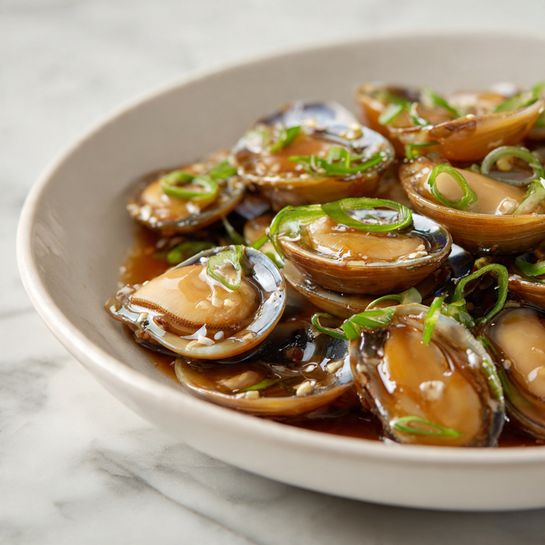
If you have ever wondered how to elevate your seafood game with something truly special, let me introduce you to this exquisite Cantonese Abalone Stir-Fry (Garlic & Scallions). This dish is a celebration of delicate abalone, stir-fried at high heat with fragrant garlic, fresh scallion whites, and a carefully balanced sauce that whispers of oyster and soy. Each bite is a perfect harmony of tender textures and rich, savory flavors that can transform any meal into an unforgettable experience. It is simple yet elegant, making it a fantastic dish whether you want to impress guests or indulge on a cozy night in.

Ingredients You’ll Need
The magic of this Cantonese Abalone Stir-Fry (Garlic & Scallions) comes from a handful of straightforward ingredients, each playing a crucial role in building layers of flavor and texture. From the tender abalone to the zingy garlic and punchy scallions, these essentials bring a perfect balance of taste, aroma, and vibrant color to your plate.
- 300g abalone: The star ingredient, prized for its tender texture and subtle oceanic flavor.
- Whites from a bunch of scallions: They add a fresh, sharp crunch and a bright pop of color.
- A few slices of ginger: Infuses warmth and zesty undertones to the stir-fry.
- A few cloves of garlic, minced: Garlic adds a deep, aromatic base that complements the abalone beautifully.
- Two shallots, cut into sections: Adds sweetness and a gentle sharpness when cooked.
- 1 tsp sesame oil: For a toasted, nutty finish that rounds out the flavors.
- 2 tbsp light soy sauce: Provides salty umami that wakes up the palate.
- 1 tsp dark soy sauce: Adds depth of color and a richer soy flavor.
- 1 tsp oyster sauce: Brings a luxurious, savory sheen with a hint of sweetness.
- 1 tsp Shaoxing wine: Lends a subtle, fragrant complexity typical of Cantonese cooking.
- 1 tbsp sugar: Balances the salty and savory components perfectly.
- Corn starch (optional): Use sparingly if you prefer a slightly thicker sauce, though the heat often reduces the sauce naturally.
How to Make Cantonese Abalone Stir-Fry (Garlic & Scallions)
Step 1: Prepare Your Ingredients
Start by washing and slicing your abalone neatly. The scallion whites should be separated and sliced, ginger thinly sliced, garlic minced, and the shallots cut into sections. Assemble your sauce by mixing the light soy sauce, dark soy sauce, oyster sauce, Shaoxing wine, and sugar in a small bowl. Having everything prepped ensures your stir-fry happens quickly and smoothly over high heat.
Step 2: Heat Up the Pan and Aromatics
Place your wok or large frying pan over high heat and add a drizzle of oil. Once shimmering hot, toss in the minced garlic, ginger slices, scallion whites, and shallots. Stir-fry them just until they release their fragrant oils and create an irresistible aromatic base. This step ignites the flavors that will infuse the abalone perfectly.
Step 3: Stir-Fry the Abalone
Slide the abalone slices into the wok and stir quickly, only until they begin to change color and turn opaque. Because abalone is delicate, you want just a brief cook to maintain its tender, slightly chewy texture. Overcooking here is the enemy of this dish’s signature bite.
Step 4: Add the Sauce
Pour your pre-mixed sauce over the abalone and aromatics. Stir vigorously to coat everything evenly and allow the sauce to reduce slightly, concentrating those savory notes. If you notice the sauce is too thin, you can sprinkle in a bit of corn starch mixed with water, but often this step isn’t necessary due to the high heat.
Step 5: Finish with Sesame Oil and Serve
As soon as the sauce has thickened slightly and everything is well combined, turn off the heat. Drizzle the final touch of sesame oil and give the stir-fry a quick toss. This final step releases that warm, nutty aroma that completes the dish beautifully. Serve immediately while hot and fragrant.
How to Serve Cantonese Abalone Stir-Fry (Garlic & Scallions)
Garnishes
A sprinkle of finely chopped scallion greens or a few toasted sesame seeds can add a lovely visual contrast and an extra burst of freshness or nuttiness to your Cantonese Abalone Stir-Fry (Garlic & Scallions). For a touch of color, a few thin slices of red chili provide a pop of heat and eye-catching vibrancy. These simple garnishes elevate the dish from delicious to dazzling.
Side Dishes
This stir-fry pairs beautifully with fluffy white jasmine rice or fragrant brown rice, both of which soak up the rich sauce deliciously. For a lighter complement, try serving alongside a simple vegetable stir-fry or steamed greens such as bok choy or gai lan. These sides balance the richness of the abalone while keeping the meal fresh and inviting.
Creative Ways to Present
If you want to impress at your next dinner party, consider serving the Cantonese Abalone Stir-Fry (Garlic & Scallions) on a large platter garnished with fresh herbs and edible flowers for a stunning visual impact. Alternatively, serve it in individual mini claypots to keep the dish warm and create a cozy, intimate vibe. Even wrapping portions in lettuce leaves makes for an interactive and fun way to enjoy the tender abalone.
Make Ahead and Storage
Storing Leftovers
Store any leftover Cantonese Abalone Stir-Fry (Garlic & Scallions) in an airtight container in the refrigerator. It should stay fresh for up to two days. To maintain the best texture, avoid storing the abalone with the sauce for too long, as it can cause the seafood to become rubbery.
Freezing
While freezing is possible, it is generally not recommended due to the delicate nature of abalone, which can lose its texture after thawing. If you must freeze, place leftovers in a sealed freezer-safe container and use within 1 month. Thaw gently in the refrigerator overnight before reheating.
Reheating
Reheat leftovers gently in a pan over medium-low heat, adding a splash of water or broth if needed to loosen the sauce. Avoid high heat, which can toughen the abalone. Warm just until heated through for the best eating experience that stays true to the original dish.
FAQs
Can I use dried abalone for this recipe?
Dried abalone requires significant rehydration and long cooking times, which is quite different from the quick stir-fry method. It’s best to use fresh or pre-cooked abalone for this Cantonese Abalone Stir-Fry (Garlic & Scallions) to achieve the desired tender texture.
Is sesame oil necessary?
Sesame oil adds a distinctive nutty aroma and flavor that complements the stir-fry perfectly. While you can omit it if unavailable, the dish definitely benefits from that finishing touch.
How spicy is this dish?
This version of Cantonese Abalone Stir-Fry (Garlic & Scallions) is not spicy unless you add chili garnish. It’s focused on umami, aromatics, and the natural sweetness of abalone, making it accessible to all palates.
Can I make this dish vegetarian?
While the essence of this dish is in the abalone’s flavor, you could try substituting with firm tofu or king oyster mushrooms for a similar texture, adjusting the sauces to maintain umami.
What’s the best way to slice abalone for stir-frying?
Slice the abalone thinly and uniformly, roughly 3-5mm thick, to ensure quick and even cooking, preserving tenderness without overcooking.
Final Thoughts
There is something truly special about the Cantonese Abalone Stir-Fry (Garlic & Scallions) that wins over both sea lovers and food enthusiasts alike. Its simplicity belies the incredible depth of flavor and luxurious texture it delivers with every bite. I warmly encourage you to try this recipe—it’s a small culinary adventure that brings restaurant-quality elegance right into your kitchen. Once you taste it, I’m sure it will become a treasured favorite in your cooking repertoire.
Print
Cantonese Abalone Stir-Fry (Garlic & Scallions)
- Prep Time: 10 minutes
- Cook Time: 5 minutes
- Total Time: 15 minutes
- Yield: 2 servings 1x
- Category: Seafood
- Method: Stovetop
- Cuisine: Cantonese
Description
This Cantonese Abalone Stir Fry is a quick and flavorful seafood dish featuring tender abalone cooked with aromatic scallions, ginger, garlic, and shallots in a savory soy-based sauce. The stir-fry technique ensures the abalone retains its delicate texture while absorbing the rich flavors of the sauce, making it a perfect dish for an elegant yet simple meal.
Ingredients
Seafood and Aromatics
- 300g abalone
- Whites from a bunch of scallions
- A few slices of ginger
- A few cloves of garlic, minced
- Two shallots, cut into sections
- 1 tsp sesame oil
Sauce
- 2 tbsp light soy sauce
- 1 tsp dark soy sauce
- 1 tsp oyster sauce
- 1 tsp shaoxing wine
- 1 tbsp sugar
- Corn starch to thicken, if desired
Instructions
- Prepare Ingredients and Sauce: Gather and prep all ingredients: clean and cut the abalone, slice scallion whites, ginger, garlic, and shallots. In a small bowl, mix together the light soy sauce, dark soy sauce, oyster sauce, shaoxing wine, and sugar to create the sauce. Optionally, prepare a little corn starch slurry if you prefer a thicker sauce.
- Heat Pan and Add Oil: Place a pan or wok on high heat and add a suitable cooking oil. Allow the oil to become very hot but not smoking before proceeding.
- Fry Aromatics: Add the minced garlic, sliced ginger, scallion whites, and shallots to the hot pan. Stir-fry them briefly until fragrant and aromatic, which should take about 30 seconds to 1 minute. This step builds flavor.
- Stir Fry Abalone: Add the abalone pieces to the pan with the aromatics. Quickly stir fry until the abalone changes color and is just cooked through, usually around 1-2 minutes to keep the texture tender.
- Add Sauce and Combine: Pour the prepared sauce over the abalone and aromatics in the pan. Stir vigorously to evenly coat all ingredients. If the sauce appears too thin, add the corn starch slurry and continue stirring until the sauce has thickened to your liking.
- Finish with Sesame Oil and Serve: Turn off the heat and drizzle the teaspoon of sesame oil over the stir-fry. Stir gently to combine the sesame aroma throughout the dish. Serve immediately while hot for best flavor and texture.
Notes
- The sauce reduces quickly over high heat due to its low volume; corn starch is optional based on your preferred sauce thickness.
- Do not overcook the abalone as it can become tough and rubbery; stir-fry briefly until just changed color.
- Use fresh abalone for the best delicate flavor and texture.
- Serve this dish hot and fresh as abalone texture and sauce flavor are best immediately after cooking.
Your email address will not be published. Required fields are marked *