
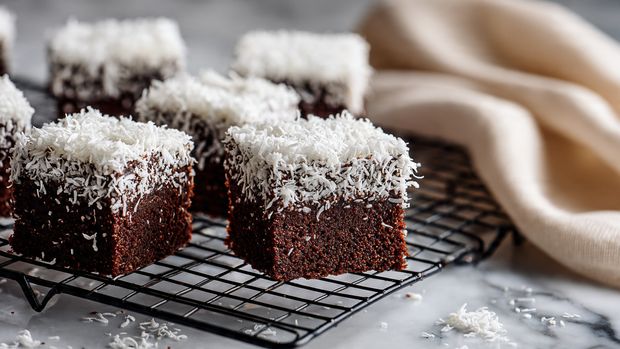
If you’ve ever wanted to bring a little bit of Aussie sunshine into your kitchen, nothing beats the joy of baking Homemade Lamingtons: Classic Australian Coconut-Edged Chocolate-Coated Sponge Cakes Recipe. These delightful sponge squares, drenched in a luscious chocolate icing and blanketed with a generous coating of shredded coconut, are the perfect combination of soft, rich, and crunchy. The balance of flavors and textures creates a nostalgic treat that’s beloved across Australia and is sure to charm your family and friends. Whether you’re new to baking or a seasoned veteran, this recipe is a winner that’s as fun to make as it is to eat!

Ingredients You’ll Need
Simple, high-quality ingredients come together in this recipe to create the perfect lamington texture and flavor. Each ingredient is carefully selected to provide the ideal balance between moist sponge, rich chocolate, and light coconut coating.
- 200 g unsalted butter (softened): Adds richness and tenderness to the sponge cake.
- 230 g caster sugar (superfine sugar): Sweetens the cake uniformly without gritty texture.
- 185 g plain flour (all-purpose flour): The base structure for the fluffy sponge.
- 10 g baking powder: Helps the cake rise and stay light.
- 40 g cornflour (cornstarch): Keeps the sponge tender by softening the flour’s protein.
- 3 eggs: Bind the ingredients and introduce moisture and lift.
- 125 ml milk: Adds moisture and richness to the batter.
- 2 teaspoons vanilla extract: Delivers warm, aromatic depth to the cake.
- 200 g dark chocolate (60-70% cocoa): For the irresistible chocolate icing coating.
- 15 g unsalted butter: Enriches the chocolate icing with smoothness.
- 500 g icing sugar (powdered sugar), sifted: Sweetens and thickens the chocolate icing.
- 125 ml milk (plus more if needed): Adjusts the consistency of the icing to perfectly coat the sponge.
- 325 g dessicated coconut (shredded coconut): The iconic coating that creates the classic lamington crunch and flavor.
How to Make Homemade Lamingtons: Classic Australian Coconut-Edged Chocolate-Coated Sponge Cakes Recipe
Step 1: Prepare Your Ingredients and Equipment
Before diving in, make sure your butter, eggs, and milk are all at room temperature—this little step makes a big difference to achieving a smooth, airy batter without lumps. Preheat your oven to 180°C (350°F) without a fan and grease and line a baking pan sized about 17 x 27 x 4 cm. Everything set perfectly means your lamingtons will come out just right!
Step 2: Whip Up The Sponge Cake
You’ve got two options here: a food processor to blitz all the ingredients quickly or the classic method of creaming by hand or stand mixer. Cream the butter and sugar until fluffy, then carefully add the flour mixed with baking powder and cornflour, followed by your milk, eggs, and vanilla. This gradual combining keeps your batter light and voluminous—the heart of great lemingtons.
Step 3: Bake and Cool the Sponge
Pour your beautiful batter into your prepared pan and bake for 30-35 minutes. Keep an eye out after 20 minutes—if the cake gets too brown, a loose foil tent will protect it. When done, let the cake cool slightly before turning it onto a wire rack with the bottom facing up—that helps the top flatten nicely, making perfect cubes for coating.
Step 4: Create The Chocolate Icing
Gently melt your chocolate and butter together in a bain-marie or double boiler—patience is key here for silky smoothness. Stir in your sifted icing sugar and milk until you reach a thick but pourable consistency; if the mixture thickens while you work, just add a splash more milk. This chocolate coating is not just a cover—it’s the luscious glue that holds your lamington masterpiece together.
Step 5: Assemble Your Classic Lamingtons
Trim the cake edges—you’ll be rewarded with delicious leftover nibbles! Cut the sponge into around 32 squares, dip each cube carefully into the chocolate icing using forks, shaking off the excess, then roll immediately in your dessicated coconut. Place each lamington on a wire rack to set, allowing the chocolate to firm up and the coconut to provide that signature texture.
How to Serve Homemade Lamingtons: Classic Australian Coconut-Edged Chocolate-Coated Sponge Cakes Recipe
Garnishes
While these lamingtons are perfect on their own, adding a tiny fresh raspberry or a small dollop of whipped cream on the side elevates this treat into a beautiful dessert. A light dusting of extra coconut on top adds a snowy touch that looks as good as it tastes.
Side Dishes
Pair your lamingtons with a hot cuppa—whether it’s strong black tea, rich coffee, or a velvety hot chocolate—to balance the sweetness. A scoop of vanilla ice cream or a fresh fruit salad with tropical notes complements the coconut beautifully and turns this snack into a celebratory spread.
Creative Ways to Present
For a party, arrange lamingtons on tiered cake stands or stack them decoratively in a rustic basket lined with parchment paper. You might even experiment with dipping different sized cake pieces or using flavored coconut for colorful twists. The possibilities add an extra element of fun alongside your classic lamingtons.
Make Ahead and Storage
Storing Leftovers
Your lamingtons will keep well in an airtight container at room temperature for up to 3 days, though they truly taste best fresh. Keeping them sealed preserves the moist sponge and prevents the coconut from drying out.
Freezing
Lamingtons freeze wonderfully. Place them in a single layer on a baking sheet to freeze initially, then transfer to a resealable freezer bag or container. Freeze for up to 2 months. When ready, thaw in the fridge overnight for a tasty treat any time.
Reheating
Because these are traditionally enjoyed at room temperature, reheating is not usually necessary. If you prefer a warm treat, pop them in the microwave for just 10-15 seconds but watch out not to melt the coconut coating. Let them sit a minute or two afterward to regain their texture.
FAQs
Can I use self-raising flour instead of plain flour and baking powder?
While self-raising flour can be a convenient swap, the balance between plain flour and baking powder in this lamington recipe is key to the right texture. Using self-raising alone might make the cake rise unevenly or result in a denser sponge.
What type of coconut is best for coating lamingtons?
Dessicated or shredded coconut is preferred because it adds that classic texture and sticks well to the chocolate icing. Avoid sweetened coconut to keep the sweetness balanced, and toast it lightly if you want a nuttier flavor.
Can I make lamingtons vegan or dairy-free?
Yes! Swap butter for plant-based margarine, use a non-dairy milk like almond or oat, and choose dairy-free chocolate. Also, replace eggs with flax or chia egg alternatives. It may require a bit of trial to perfect, but vegan lamingtons can be just as delicious!
How do I prevent the cake from getting soggy?
Allow the sponge to cool completely before assembling, and make sure your chocolate icing isn’t too runny. Proper draining after dipping and letting the lamingtons set on a wire rack helps maintain that perfect slight crisp on the outside.
Can I make the chocolate icing ahead of time?
You can prepare the chocolate icing a few hours in advance and keep it warm over very low heat or in a thermos. Stir gently before dipping to keep the right consistency. If it cools too much, just reheat gently to maintain smoothness.
Final Thoughts
There’s something uniquely comforting about biting into those fluffy, chocolatey, coconut-crusted squares that make Homemade Lamingtons: Classic Australian Coconut-Edged Chocolate-Coated Sponge Cakes Recipe a must-bake for anyone craving a classic treat. I encourage you to gather your ingredients, roll up your sleeves, and dive into this joyful adventure—you’ll be rewarded with delicious memories and perhaps a lifelong favorite family snack!
Print
Homemade Lamingtons: Classic Australian Coconut-Edged Chocolate-Coated Sponge Cakes Recipe
- Prep Time: 30 minutes
- Cook Time: 35 minutes
- Total Time: 1 hour 5 minutes (plus 30-60 minutes setting time)
- Yield: 32 servings 1x
- Category: Dessert
- Method: Baking
- Cuisine: Australian
Description
Traditional Australian lamingtons are light, fluffy sponge cake cubes coated in a glossy chocolate icing and rolled in shredded coconut. This recipe produces 32 perfectly sized lamingtons, ideal for parties or teatime, with a rich chocolate coating and soft interior. The cake is baked to a tender crumb, then dipped in a luscious chocolate glaze made with dark chocolate and butter, and finally rolled in desiccated coconut for the classic texture and flavor.
Ingredients
Cake
- 200 g unsalted butter, softened
- 230 g caster sugar (superfine sugar)
- 185 g plain flour (all-purpose flour)
- 10 g baking powder
- 40 g cornflour (cornstarch)
- 3 eggs
- 125 ml milk
- 2 teaspoons vanilla extract
Chocolate Icing
- 200 g dark chocolate (60-70% cocoa)
- 15 g unsalted butter
- 500 g icing sugar (powdered sugar), sifted
- 125 ml milk, plus more as needed
Coating
- 325 g desiccated coconut (shredded coconut)
Instructions
- Prepare Ingredients: Ensure the butter, eggs, and milk are at room temperature to prevent curdling of the batter, which can cause a dense cake. You can make the cake the night before for best results.
- Preheat Oven and Prepare Pan: Preheat your oven to 180°C (350°F) without fan. Butter a baking pan approximately 17 x 27 x 4 cm (7 x 11 x 1.5 inches) and line the bottom with greaseproof paper.
- Make the Cake Batter Using Food Processor: Place all cake ingredients into a food processor and blitz until combined. If batter looks curdled, blitz a bit longer until smooth.
- Make the Cake Batter by Hand or Stand Mixer: Cream butter and sugar until pale and fluffy (2-3 minutes on low speed). Add flour, baking powder, and cornflour and mix to combine. Whisk eggs, milk and vanilla in a jug, and slowly add the liquids to the batter. Mix until combined without over-mixing.
- Bake the Cake: Pour the batter into the prepared pan. Bake for 30-35 minutes until a skewer comes out clean. If browning too fast, cover with foil after 20 minutes.
- Cool the Cake: Let the cake cool in the pan for 5 minutes. Turn it out onto a wire rack with the bottom facing up to flatten the top while cooling. Remove baking paper.
- Make Chocolate Icing: Melt butter and chocolate gently over a bain-marie. Add sifted icing sugar and whisk in milk to create a thick but slightly runny glaze. Keep warm over low heat.
- Trim and Cut Sponge: Using a serrated knife, trim edges of the sponge as a treat for the cook. Cut into 32 equal squares, remembering they will enlarge when coated.
- Coat Lamingtons: Pour desiccated coconut on a large plate. Dip each sponge piece into chocolate icing using forks to coat all sides, letting excess drip off, then roll in coconut. Place on wire rack to dry.
- Finish and Set: Repeat dipping and coating for all pieces. If the icing thickens, whisk in a little more milk to thin. Allow lamingtons to set on the wire rack for 30-60 minutes before serving.
Notes
- Using room temperature ingredients prevents batter curdling and ensures a lighter cake texture.
- Make the cake a day ahead to save time and allow it to set perfectly before coating.
- If you don’t have a food processor, stand mixer or mixing by hand works well.
- Keep the chocolate icing warm and fluid over a bain-marie while dipping the lamingtons to make coating easier.
- The coconut coating adds the traditional texture and flavor and prevents the cake from being overly sticky.
- Store lamingtons in an airtight container at room temperature for up to 2 days; best eaten fresh.
Your email address will not be published. Required fields are marked *