
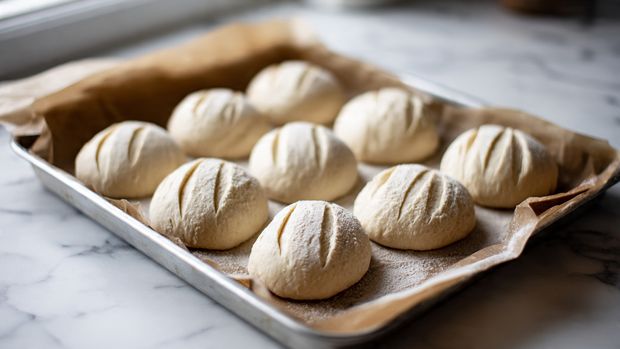
If you have ever dreamed of biting into a sandwich with perfectly soft yet chewy bread, then this Homemade Soft and Chewy Hoagie Rolls Recipe is exactly what you need to try next. These rolls are the perfect balance of tender crumb and slight chew, with a golden, glossy crust that will make any sandwich extraordinary. Taking a little time and patience, this recipe transforms simple pantry staples into hoagie rolls bursting with flavor and lovely texture, making your homemade sub sandwiches absolutely unforgettable.

Ingredients You’ll Need
Don’t let the ingredient list scare you because all these pantry staples come together harmoniously, each playing a crucial role in making your hoagie rolls soft, chewy, and beautifully browned. From yeast that gives life to the dough to flour for structure and sugar for subtle sweetness, these basics are the heart of the recipe.
- 2 tablespoons dry yeast: Use SAF-instant yeast for reliable rising every time.
- 1/2 cup warm water: Make sure it’s warm, not hot, to activate the yeast without killing it.
- 2 cups hot water: Adds moisture and helps incorporate dry ingredients smoothly.
- 3 tablespoons sugar: Feeds the yeast and adds a gentle hint of sweetness.
- 1 tablespoon kosher salt: Enhances flavor and controls yeast activity for balanced fermentation.
- 5 tablespoons vegetable, canola or olive oil: Adds tenderness and richness to the dough.
- 6 cups all-purpose flour: The base of your dough; substitute 2 cups with bread flour for extra chewiness.
- 1 beaten egg: For brushing the tops before baking to achieve that gorgeous shiny finish.
How to Make Homemade Soft and Chewy Hoagie Rolls Recipe
Step 1: Activate Your Yeast
Begin by dissolving the dry yeast in the half cup of warm water. This step is key because the yeast must become foamy and bubbly, indicating it is alive and ready to help your bread rise beautifully. If your yeast doesn’t activate, your rolls won’t rise properly, so patience here pays off!
Step 2: Prepare the Wet and Dry Mix
In a large bowl, combine the two cups of hot water, sugar, kosher salt, oil, and half of your flour. Mixing this first will start building the dough’s structure and flavor base, so make sure your sugar and salt are evenly dissolved before adding the rest of the flour.
Step 3: Combine Yeast Mixture with Flour Mixture
Once your yeast is foamy, add it to the hot water and flour mixture. Mix everything together for about two minutes so the ingredients meld, setting a foundational dough that’s ready for kneading.
Step 4: Knead and Add Remaining Flour
Switch to a dough hook if you have one, and gradually mix in the remaining flour, one cup at a time. Kneading for about five minutes not only incorporates all the flour but develops gluten to give these rolls their signature chewy texture. The dough should feel elastic but not sticky.
Step 5: First Rise and Gentle Deflation
Turn off your mixer and leave the dough with the hook attached, covering it with a tea towel for a cozy environment. Every ten minutes for one hour, briefly stir or turn the mixer on low to deflate the dough. This rise and gentle punch down cycle is a brilliant gluten development trick that results in beautifully soft, yet resilient bread.
Step 6: Shape the Rolls
After your dough has puffed up, transfer it to a floured surface, cut into halves, then quarters to make eight large rolls (or double the pieces if you prefer smaller subs). Shape each portion into rectangles, roll them up tight lengthwise like a cinnamon roll, and tuck the ends underneath. Don’t stress about uniformity — the dough will rise and shape itself in the oven.
Step 7: Final Rise and Add Egg Wash
Place your rolls on a baking sheet lined with parchment or sprayed with cooking spray. Let them rise again for 20-30 minutes. Midway through, score each roll lightly with a blade or knife, then brush them with beaten egg. This step will develop that irresistible shiny crust.
Step 8: Bake to Golden Perfection
Bake your rolls at 375°F for 20 to 25 minutes, until the tops are a stunning golden brown. Your kitchen will fill with the most comforting aroma, and you’ll know your Homemade Soft and Chewy Hoagie Rolls Recipe has come to life.
How to Serve Homemade Soft and Chewy Hoagie Rolls Recipe
Garnishes
While these rolls are delicious on their own, adding a sprinkle of sesame seeds, poppy seeds, or even a brush of garlic butter after baking elevates them wonderfully. These little touches add both flavor dimension and change up the appearance for more interest on your plate.
Side Dishes
Pair your freshly baked hoagie rolls with classic deli fillings alongside crunchy pickles, coleslaw, or a crisp green salad. A bowl of tomato soup or homemade potato chips also makes a fantastic side, rounding out the meal with complementary textures and flavors.
Creative Ways to Present
Turn your Homemade Soft and Chewy Hoagie Rolls Recipe into sliders by creating smaller rolls or slice them open and fill with gourmet ingredients like roasted vegetables, grilled chicken, or even a hearty meatball sub. Toasting the rolls before assembling sandwiches adds a golden crunch to contrast the soft interior.
Make Ahead and Storage
Storing Leftovers
Store any leftover rolls in an airtight container at room temperature for up to two days. Keeping them sealed prevents drying out, preserving that soft, chewy texture you worked hard to create.
Freezing
These hoagie rolls freeze beautifully. Wrap each roll tightly in plastic wrap and then place in a freezer bag. Frozen rolls maintain their quality for up to three months, so you can enjoy homemade goodness anytime you want without extra effort.
Reheating
To refresh your rolls, simply wrap them in foil and warm in a 350°F oven for about 10 minutes. This brings back the just-baked softness and that delightful crust, making them taste like they came straight out of the oven all over again.
FAQs
Can I substitute bread flour for all-purpose flour in this recipe?
Absolutely! Using bread flour for the entire amount will give your hoagie rolls a chewier texture due to higher protein content. If you prefer softer rolls, stick with mostly all-purpose flour or the combination mentioned in the recipe.
What if my yeast doesn’t foam during activation?
If your yeast fails to foam, it could be dead or the water temperature was too hot or too cold. Use fresh yeast and ensure water is warm, about 110°F, to give the yeast the best chance to activate.
Can I make these rolls by hand without a mixer?
Yes! While a mixer with a dough hook is convenient, you can mix and knead by hand. Just be prepared to knead for about 10-15 minutes until the dough is smooth and elastic.
How big are these rolls supposed to be?
This recipe yields eight large hoagie rolls that are ideal for hearty sandwiches. If you’d prefer smaller subs or slider-sized rolls, simply cut the dough into 16 pieces instead.
What is the purpose of deflating the dough multiple times during rising?
Deflating the dough every 10 minutes during the first rise helps to develop gluten properly, creating a soft yet chewy crumb and preventing an overly dense texture. It’s a fantastic technique that makes these hoagie rolls stand out.
Final Thoughts
Making your own bread at home might seem intimidating, but this Homemade Soft and Chewy Hoagie Rolls Recipe breaks it down into a wonderfully rewarding process full of comforting aromas and delicious results. With just a few simple ingredients and some loving attention to detail, you’ll bake rolls that bring your sandwiches to unbeatable heights. Go on, grab your mixing bowl and yeast — your best sub sandwich is waiting!
Print
Homemade Soft and Chewy Hoagie Rolls Recipe
- Prep Time: 25 minutes
- Cook Time: 25 minutes
- Total Time: 1 hour 50 minutes
- Yield: 8 large hoagie rolls 1x
- Category: Bread
- Method: Baking
- Cuisine: American
Description
These homemade hoagie rolls are perfectly soft and chewy, with a golden, shiny crust thanks to an egg wash glaze. Utilizing a slow, repeated rising process, this recipe develops exceptional gluten structure, resulting in tender yet sturdy rolls ideal for sandwiches or hoagies. Whether you enjoy classic fillings or creative combinations, these rolls provide the perfect fresh bread foundation.
Ingredients
Yeast Mixture
- 2 tablespoons dry yeast (Always use SAF-instant)
- 1/2 cup warm water (make sure it’s not too hot or it will kill your yeast)
Dough
- 2 cups hot water
- 3 tablespoons sugar
- 1 tablespoon kosher salt
- 5 tablespoons vegetable oil, canola oil, or olive oil
- 6 cups all purpose flour (or substitute 2 cups bread flour for a chewier texture)
For Glazing
- 1 beaten egg (for glazing pre-baked bread)
Instructions
- Activate Yeast: Dissolve the 2 tablespoons of dry yeast in 1/2 cup of warm water. Ensure the water is warm but not hot to avoid killing the yeast. Let it sit until it becomes foamy and activated.
- Prepare Dough Mixture: In a separate large bowl, combine 2 cups of hot water, 3 tablespoons sugar, 1 tablespoon kosher salt, 5 tablespoons of oil, and 3 cups of flour. Mix well.
- Combine Yeast and Dough Mixture: Once the yeast is foamy, add it to the hot-water flour mixture. Mix for about 2 minutes to incorporate everything thoroughly.
- Knead Dough: Attach a dough hook to your mixer. Add the remaining 3 cups of flour gradually, one cup at a time, allowing the dough to absorb it. Knead for 5 minutes until the dough is elastic and all flour is incorporated.
- First Rest: Turn off the mixer, leave the dough hook attached, and cover the mixer with a tea towel. Let the dough sit for 10 minutes.
- Deflate Dough: After 10 minutes, the dough will look puffy. Deflate it by stirring with a wooden spoon or turning on the mixer to low speed for about 10 seconds.
- Repeat Rising and Deflating: Repeat the resting and deflating cycle five times (every 10 minutes) for a total of 60 minutes. This develops the gluten for a soft, chewy texture.
- Shape Rolls: Dump the dough onto a floured surface. Cut in half, then each half into four equal pieces, for a total of 8 large rolls. For smaller hoagies, divide into 16 pieces. Lightly press each piece into a rectangle and roll tightly lengthwise, tucking ends underneath. Place rolls on a parchment-lined or greased baking sheet.
- Final Rise and Score: Allow rolls to rise for 20-30 minutes. About 10 minutes into rising, score the tops of the rolls lightly with a bread lame or serrated knife. Brush with beaten egg for a shiny finish.
- Bake: Bake rolls in a preheated 375°F (190°C) oven for 20-25 minutes or until golden brown. Remove from oven and allow to cool slightly before serving.
Notes
- Make sure the water used to activate yeast is warm, not hot, to prevent killing the yeast.
- You can substitute 2 cups of all-purpose flour with bread flour for a chewier texture.
- For smaller sandwich rolls, divide dough into 16 pieces instead of 8.
- Scoring and egg wash give a glossy, attractive crust and help control the rise of the bread.
- Repeated rising and deflating develops gluten for an ideal bread texture.
- Store leftover rolls in an airtight container to maintain freshness for up to 3 days, or freeze for longer storage.
Your email address will not be published. Required fields are marked *