
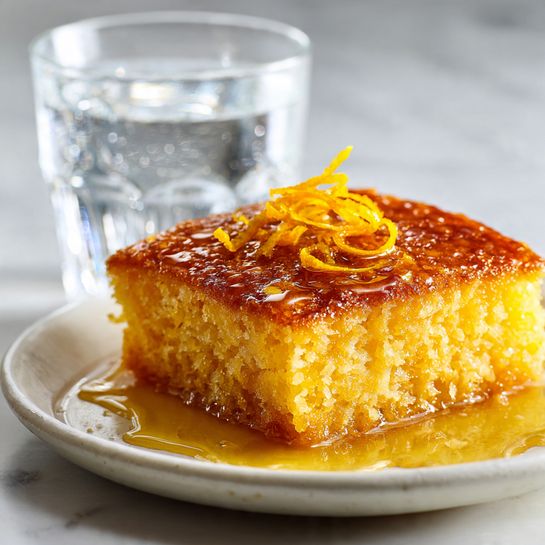
If you’re craving something that feels like a warm hug in dessert form, look no further than this Bright & Syrupy Greek Orange Cake (Portokalopita for Winter). This traditional Greek delight is soaked in vibrant orange syrup, bringing a perfect balance of zesty brightness and comforting sweetness that lingers on the palate. Soft, moist, and bursting with citrus flavor, this cake marries flaky phyllo layers with the dreamy texture of yogurt and oil, making every bite a celebration of winter’s best flavors. Get ready to dive into the magic of this syrup-soaked wonder!

Ingredients You’ll Need
Every ingredient in making this Bright & Syrupy Greek Orange Cake (Portokalopita for Winter) is simple but absolutely essential. From the fresh orange zest to the crunchy phyllo, each element adds a crucial layer of flavor, texture, or color that makes this cake truly unforgettable.
- 200g yogurt (2% fat): Adds creaminess and a slight tang that balances the sweetness perfectly.
- 300 ml vegetable oil: Keeps the cake moist and tender without weighing it down.
- 300 ml sugar: Sweetness that perfectly infuses the cake and syrup alike.
- 300 ml fresh orange juice: The star component providing bright citrus flavor and moisture.
- 20g baking powder: Helps the cake rise beautifully, giving it a light texture.
- Zest of 1 1/2 oranges: Intensifies that fresh orange aroma and flavor.
- 1 tsp vanilla extract: Adds warmth and depth to the cake’s flavor profile.
- 440–450g phyllo dough: Crumbled for texture, it soaks up syrup beautifully while lending a subtle flakiness.
- 4 medium eggs: Binds the ingredients for a silky smooth batter.
- 400 ml water (for syrup): Forms the base of the syrup that soaks into the cake.
- 400 ml sugar (for syrup): Creates that thick, glossy syrup that envelopes the cake.
- Zest of 1 orange (for syrup): Infuses the syrup with bright citrus notes matching the cake.
- 1 cinnamon stick (optional): Adds cozy warmth that complements the orange beautifully.
How to Make Bright & Syrupy Greek Orange Cake (Portokalopita for Winter)
Step 1: Prepare the Phyllo
Begin by gently unwrapping your phyllo dough and laying the sheets out at room temperature for about 20 minutes. This drying step is crucial to help the phyllo crumble easily without clumping together. If you want to speed things up, you can lightly bake the sheets at a low temperature until crisp. This initial step sets the foundation for that unique texture that makes this cake so irresistible.
Step 2: Make the Syrup
While the phyllo is resting, it’s syrup time! Combine water, sugar, orange zest, and that lovely cinnamon stick in a pot. Bring to a boil and then simmer for 5 to 10 minutes until the sugar dissolves and the syrup thickens slightly. Set this aside to cool completely. This syrup is where the magic happens later – it infuses the baked cake with moistness and that signature syrupy glow.
Step 3: Mix the Cake Batter
In a big mixing bowl, whisk together the vegetable oil, sugar, and eggs until they’re fully combined and glossy. Next comes the creamy yogurt, fresh orange juice, orange zest, and vanilla extract – whisk again until smooth and fragrant. Finally, fold in the baking powder for just enough lift to make your cake nice and spongy.
Step 4: Add the Crumbled Phyllo
Now for the fun part: crumble the dried phyllo dough into small pieces using your hands. Gradually add these flaky bits into the wet mixture while whisking gently. Doing this step-wise prevents them from sticking together and ensures every bit gets coated, ready to soak up that luscious syrup later.
Step 5: Bake the Cake
Prepare your baking pan by brushing it lightly with oil; a standard 8×12 inch (20×30 cm) tray works perfectly. Pour the phyllo-orange batter into the pan, smoothing it out evenly. Bake in a preheated oven at 180°C (350°F) for 40 to 50 minutes. You want the top to develop a golden, caramelized color and a toothpick inserted to come out clean. The aroma filling your kitchen by now will be pure joy.
Step 6: Soak with Syrup
This is where the cake transforms into the Bright & Syrupy Greek Orange Cake (Portokalopita for Winter) you’ve been dreaming of. While the cake is still hot, slowly pour the cold syrup over it. Do this in stages, letting each ladle absorb before adding more. This careful soaking ensures the syrup penetrates deeply without making the cake soggy, resulting in moist, tender slices that hold together beautifully.
Step 7: Chill and Serve
Once syruped, allow the cake to cool completely and place it in the refrigerator. Portokalopita tastes best chilled, allowing the syrup to set and the flavors to meld. Serving it cold also helps keep the cake intact instead of crumbling, making every bite neat and delightful.
How to Serve Bright & Syrupy Greek Orange Cake (Portokalopita for Winter)
Garnishes
To dress up this cake, a simple dusting of powdered sugar or a few thin strips of orange zest will do wonders. For an extra touch of decadence, garnish with a dollop of whipped cream or a scoop of vanilla ice cream. The contrast between cold cream and syrupy cake is a total crowd-pleaser and adds that indulgent finish we all crave during winter.
Side Dishes
While Bright & Syrupy Greek Orange Cake (Portokalopita for Winter) shines on its own, pairing it with some lightly toasted nuts or a citrusy Greek salad can add texture and refresh the palate. A cup of strong Greek coffee or fragrant herbal tea rounds out the experience wonderfully, balancing the syrupy sweetness with a hint of bitterness.
Creative Ways to Present
For a festive vibe, serve the cake in individual ramekins or small dessert bowls, layering with whipped cream and orange segments. You could also cut the cake into bite-sized squares and skewer them on decorative picks for cocktail-style treats perfect for gatherings. No matter how you serve it, the vibrant colors and syrupy shine will capture attention instantly.
Make Ahead and Storage
Storing Leftovers
Bright & Syrupy Greek Orange Cake (Portokalopita for Winter) actually tastes even better the next day when the syrup has fully penetrated. Store leftover pieces covered tightly in the refrigerator for up to 3 days to keep them moist and flavorful. This way, you get to savor all the lusciousness at your leisure without losing that fresh-from-the-oven magic.
Freezing
This cake freezes reasonably well and can be wrapped tightly in plastic wrap and foil before being placed in the freezer. For best results, freeze individual portions so you can thaw just what you need. Thaw in the refrigerator overnight and enjoy the bright syrupy character even after a longer wait.
Reheating
If you want to enjoy the cake warm, gently reheat individual slices in the microwave for a few seconds. Keep a cup of water nearby to prevent drying out. However, do remember that Bright & Syrupy Greek Orange Cake (Portokalopita for Winter) truly shines cold, so don’t be afraid to embrace it chilled—it’s part of the charm!
FAQs
What if I can’t find phyllo dough?
Phyllo dough is essential for the unique texture of Portokalopita, but if you can’t find it, you might try substituting with a thin, flaky pastry or even crushed graham crackers for a different twist. Just know the texture and soaking ability will differ slightly.
Can I make this cake vegan?
You can try using plant-based yogurt and egg substitutes, but keep in mind the moisture and texture might vary. The traditional recipe relies on eggs and yogurt to bind and tenderize, so experiment if needed.
How long does the syrup soaking process take?
Pouring the syrup in stages ensures even absorption and typically takes about 5-10 minutes. Be patient—this slow soak is what makes the cake extra syrupy and moist.
Is it okay to skip the cinnamon?
Absolutely. Cinnamon is optional and adds a warm note, but if you’re not a fan or don’t have it on hand, simply omit it. The orange zest provides plenty of flavor to carry the cake on its own.
Why does the cake need to be served cold?
Serving it cold helps the syrup set and the cake to firm up, making it less crumbly and easier to slice. Plus, chilled Portokalopita has such a refreshing, intense flavor profile—it’s well worth the wait!
Final Thoughts
If you’re ready to add a little sunshine to your winter dessert table, the Bright & Syrupy Greek Orange Cake (Portokalopita for Winter) is a must-try. Its joyous combination of vibrant citrus, comforting cinnamon, and irresistible syrup soaking will become your go-to recipe for cozy gatherings or a sweet self-treat. Give it a whirl—you’re going to love every single bite!
Print
Bright & Syrupy Greek Orange Cake (Portokalopita for Winter)
- Prep Time: 20 minutes
- Cook Time: 50 minutes
- Total Time: 1 hour 10 minutes
- Yield: 10 pieces 1x
- Category: Dessert
- Method: Baking
- Cuisine: Greek
Description
This traditional Greek Orange Cake, known as Portokalopita, is an irresistibly moist and syrupy dessert infused with vibrant orange flavors and a hint of cinnamon. Featuring crumbled phyllo dough combined with yogurt, orange juice, and a fragrant syrup, this cake is a perfect blend of texture and taste, ideal for serving cold with ice cream or on its own.
Ingredients
For the Portokalopita
- 200g yogurt (2% fat) (7 ounces)
- 300 ml vegetable oil (1 and 1/4 cups)
- 300 ml sugar (1 and 1/4 cups)
- 300 ml orange juice (1 and 1/4 cups)
- 20g baking powder (4 teaspoons)
- Zest of 1 and 1/2 oranges
- 1 teaspoon vanilla extract
- 440–450g phyllo dough (15 ounces)
- 4 medium eggs
For the syrup
- 400ml water (1 and 2/3 cups)
- 400ml sugar (1 and 2/3 cups)
- Zest of 1 orange
- 1 cinnamon stick (optional)
Instructions
- Prepare the phyllo dough: Unwrap the phyllo dough from the plastic sleeve and lay the sheets on a large surface to dry at room temperature for 20 minutes. Alternatively, spread a few sheets on a large baking tray and dry them in the oven at 100°C (200°F) until dry, repeating with the rest.
- Make the syrup: In a pot, combine water, sugar, orange zest, and the cinnamon stick (if using). Bring to a boil, then simmer for 5-10 minutes until the sugar dissolves and the syrup thickens slightly. Remove from heat and set aside to cool.
- Mix the cake batter: In a large bowl, whisk together vegetable oil, sugar, and eggs until smooth. Add yogurt, orange juice, orange zest, and vanilla extract, whisking until well combined. Stir in the baking powder gently.
- Incorporate the phyllo dough: Crumble the phyllo dough into small pieces by hand and gradually add to the batter, whisking continuously to prevent clumping.
- Prepare the baking pan and bake: Using a brush, oil a 20x30cm (8×12 inch) baking tray generously. Pour the batter into the pan and bake in a preheated oven at 180°C (350°F) for 40-50 minutes until golden brown and a knife inserted comes out clean.
- Soak with syrup: Remove the hot cake from the oven and slowly ladle the cooled syrup over the cake in increments, allowing each addition to be fully absorbed before adding more.
- Chill and serve: Let the cake absorb the syrup completely, then refrigerate. Serve the Greek orange cake cold, ideally with a big spoonful of ice cream to enhance the experience.
Notes
- Drying the phyllo dough is essential to absorb the moisture from the batter and syrup properly for the best texture.
- The syrup must be cold when poured over the hot cake to create a perfect balance and moistness.
- If you prefer less sweetness, reduce the sugar slightly in the batter or syrup.
- Serving the cake cold helps maintain its structure and enhances the flavors.
- The cinnamon stick in the syrup is optional but adds a warm aromatic note to the dessert.
Your email address will not be published. Required fields are marked *