
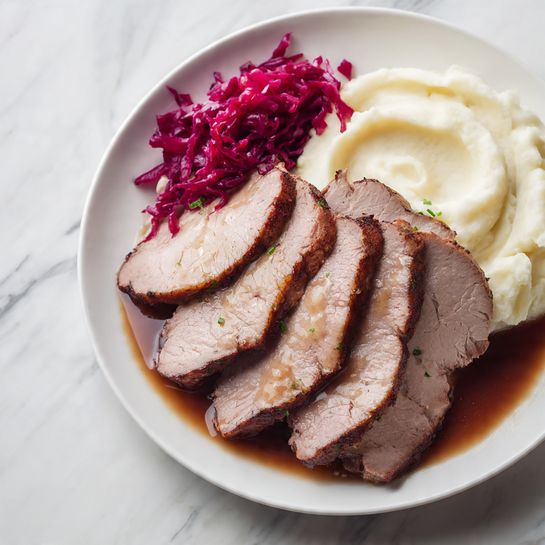
If you have ever longed for a dish that embodies comfort, tradition, and bursts of flavor in every bite, then you are going to fall head over heels for this Classic German Beef Rouladen with Mustard, Bacon, Onion, and Pickles Recipe. Tender beef slices are lovingly rolled with tangy mustard, smoky bacon, sweet onions, and crisp pickles, then slowly braised in a rich, savory gravy. This recipe brings a bit of Germany right to your kitchen table, perfect for a cozy family meal or an impressive dinner with friends. You’ll soon discover why this dish is a beloved staple in homes across Germany, delivering a beautiful harmony of textures and flavors with every forkful.

Ingredients You’ll Need
Gathering these straightforward but essential ingredients is your first step toward creating a memorable meal. Each component plays a special role: from the juicy, tender beef and smoky bacon to the bright acidity of the pickles and the creamy tang of mustard, this lineup creates a stunning balance that’s as delicious as it is visually inviting.
- 2 pounds beef brisket or top round, sliced ¼ inch thick: Ask your butcher for even, thin slices to ensure perfect rolling and tenderness.
- 8 slices bacon: Adds a smoky, salty layer that complements the beef beautifully.
- 4-5 whole pickles, thinly sliced: Their crunch and sharpness cut through the richness perfectly.
- ⅔ cup yellow or whole grain mustard: Essential for that classic tang that binds the flavors together.
- 1 whole onion, half sliced, half diced: Sliced for layering in the rouladen and diced for the savory gravy base.
- 3 tablespoons vegetable oil or clarified butter: For browning the meat to a lovely golden finish.
- 2-3 stalks celery, chopped (about 1 to 1½ cups): Adds aromatic depth to the gravy.
- 2-3 medium carrots, chopped (about 1 to 1½ cups): Bring a natural sweetness to balance the acidity.
- 1 whole bay leaf: Infuses subtle herbal notes while braising.
- 2 cups dry red wine: For rich, complex flavor in the braising liquid.
- 1 cup beef broth: Enhances the meaty backbone of the sauce.
- ¼ cup pickle juice: A secret ingredient that intensifies the tang and rounds out the gravy.
- 2 tablespoons tomato paste: Provides a deep, slightly sweet umami kick.
- 2 tablespoons cornstarch: Used to thicken the luscious gravy to just the right consistency.
How to Make Classic German Beef Rouladen with Mustard, Bacon, Onion, and Pickles Recipe
Step 1: Prepare and Pound the Beef
Start by covering each beef slice with cling film. This little trick prevents tearing and keeps things tidy while you tenderize each piece. Use the flat side of a meat tenderizer or a heavy pan to gently pound the slices until they’re thin and even. This ensures your rouladen will roll up nicely, making each bite tender and consistent.
Step 2: Spread Mustard and Layer the Fillings
Generously spread yellow or whole grain mustard over each flattened slice. The mustard isn’t just for flavor; it acts as a glue that helps keep all the luscious fillings in place. Next, add layers of smoky bacon, thinly sliced onions, and crisp pickle slices. These ingredients together create a burst of savory, smoky, tangy, and sweet that’s absolutely irresistible.
Step 3: Roll and Secure
Carefully fold in the sides of the beef slices where possible, then roll them tightly into neat cylinders. Pin the rouladen closed with toothpicks or quaint butcher’s twine to ensure they hold their shape during cooking. This step is essential for keeping all those wonderful fillings snug inside the beef.
Step 4: Brown the Rouladen
Heat vegetable oil or clarified butter over medium-high in a large skillet. Brown each rouladen roll on all sides until you see a beautiful golden crust form. This searing step is crucial as it locks in the flavors and creates a rich foundation for your gravy. Once browned, transfer the rouladen to a plate and set aside.
Step 5: Sauté Vegetables and Build Flavor
In the same skillet, toss in the diced onions, chopped celery, and carrots. These create the aromatic base of your sauce. Sauté everything for 2 to 3 minutes until softened and fragrant, then stir in the tomato paste to deepen the flavor profile. You’re building layers of taste that will make the gravy truly exceptional.
Step 6: Deglaze and Braise
Pour in the dry red wine, beef broth, and pickle juice to deglaze the pan, scraping up any delicious browned bits stuck to the bottom. Add the bay leaf, and if you have any leftover pickle slices, toss those in too. Bring the mixture to a lively boil, then carefully nestle the rouladen back into the pan. Simmer gently over low heat for about an hour and a half. This slow braising tenderizes the beef and allows all the flavors to mingle and intensify beautifully.
Step 7: Strain and Thicken the Gravy
Once the rouladen is tender and ready, carefully remove the rolls from the pan. Pour the remaining sauce through a sieve to strain out the vegetables and bay leaf, leaving you with a silky, aromatic liquid. Return the sauce to the pan and stir in the cornstarch mixture to thicken it into a luscious gravy. Season with salt and pepper to taste, then place the rouladen back in the gravy to keep warm until serving.
How to Serve Classic German Beef Rouladen with Mustard, Bacon, Onion, and Pickles Recipe
Garnishes
A sprinkle of freshly chopped parsley adds a vibrant green contrast and fresh flavor, making each serving pop visually and tastefully. For an extra burst of brightness, a tiny drizzle of mustard on the side or a few crisp pickle slices completed the traditional presentation that welcomes every bite.
Side Dishes
Classic German sides like buttered spaetzle, creamy mashed potatoes, or a simple red cabbage slaw are perfect companions here. These sides soak up the rich gravy and balance the hearty rouladen beautifully, making every forkful a delightful harmony of flavors and textures.
Creative Ways to Present
For a modern twist, try slicing rouladen into medallions and arranging them over a bed of buttery mashed potatoes or creamy polenta. A drizzle of the gravy on top and a delicate microgreen salad on the side can elevate this traditional recipe into an elegant dish perfect for special occasions or intimate dinners.
Make Ahead and Storage
Storing Leftovers
This Classic German Beef Rouladen with Mustard, Bacon, Onion, and Pickles Recipe is even better the next day when the flavors have had time to meld. Store leftovers in an airtight container in the refrigerator for up to 3 days. Reheat gently to preserve the tenderness and richness.
Freezing
You can freeze cooked rouladen and gravy separately for up to 3 months. Wrap rouladen tightly in plastic wrap and place in a freezer-safe container. Freeze the gravy in a separate container or freezer bag. This way, you can enjoy your favorite dish anytime with minimal prep.
Reheating
To warm up, let rouladen thaw overnight in the fridge. Reheat gently in a covered pan with the gravy over low heat to keep the beef tender and the sauce luscious. Avoid microwaving as it can dry out the beef and dull the flavors.
FAQs
Can I use a different cut of beef for rouladen?
Absolutely! While top round or brisket are traditional for their tenderness and size, you can substitute with other lean cuts like flank steak. Just make sure the slices are thin and wide enough to roll.
Is it necessary to use pickles in the rouladen?
Pickles provide a key tangy crunch that contrasts beautifully with the rich beef and bacon, making them a classic element. However, if you’re not a fan, you can experiment with sliced roasted red peppers for a sweeter twist.
What kind of mustard is best for this recipe?
Traditional yellow mustard works great for its bright tang, but whole grain mustard adds texture and a slight nuttiness. Feel free to use the one you prefer or even a mix of both.
Can I prepare rouladen without wine?
If you prefer to avoid alcohol, use additional beef broth and a splash of balsamic vinegar for acidity. It won’t be exactly the same but will still yield a delicious, rich gravy.
How do I know when the rouladen is done cooking?
The rouladen should be fork-tender and the beef easily pierced. Typically, a slow simmer for about 1½ hours achieves this, but cook time may vary slightly depending on meat thickness.
Final Thoughts
There’s something truly special about making and sharing this Classic German Beef Rouladen with Mustard, Bacon, Onion, and Pickles Recipe. It’s a dish that invites you to slow down, savor each bite, and enjoy the cozy warmth of a well-loved tradition. Whether you’re new to German cuisine or a seasoned fan, this recipe is a wonderful way to bring authentic flavors into your home kitchen. I can’t wait for you to try it and make it one of your own favorites!
Print
Classic German Beef Rouladen with Mustard, Bacon, Onion, and Pickles Recipe
- Prep Time: 30 minutes
- Cook Time: 1 hour 30 minutes
- Total Time: 2 hours
- Yield: 4 servings 1x
- Category: Main Course
- Method: Braising
- Cuisine: German
Description
Classic German Beef Rouladen featuring tender beef slices rolled with mustard, bacon, onions, and pickles, slowly braised to perfection and served with a rich homemade gravy.
Ingredients
Beef Rolls
- 2 pounds beef slices, cut to ¼ inch thickness
- 8 slices bacon
- 4–5 whole pickles, thinly sliced
- ⅔ cup yellow or whole grain mustard
- 1 whole onion, half sliced, half diced
For the Gravy
- 3 tablespoons butter or clarified butter
- 2–3 stalks celery, chopped (about 1 to 1½ cups)
- 2–3 medium carrots, chopped (about 1 to 1½ cups)
- 1 whole bay leaf
- 2 cups dry red wine
- 1 cup beef broth
- ¼ cup pickle juice
- 2 tablespoons tomato paste
- 2 tablespoons cornstarch
Instructions
- Prepare the Beef Rolls: Cover the beef slices with cling film and gently pound them with the flat side of a meat tenderizer to even out thickness. Spread mustard evenly over each beef slice, then layer bacon slices, sliced onions, and pickles on top. Fold the sides of the beef slices if possible and carefully roll them up. Secure each roll with toothpicks or butcher’s twine to keep the filling inside during cooking.
- Brown the Rouladen: Heat vegetable oil or clarified butter in a large skillet over medium-high heat. Place the beef rouladen rolls in the skillet and brown each side thoroughly, which will enhance the flavor and seal in juices. Once browned, remove the rouladen from the skillet and set aside.
- Sauté Vegetables & Prepare Braising Liquid: In the same skillet, add the diced onion, chopped celery, and carrots. Sauté over medium-high heat for 2 to 3 minutes until softened. Stir in the tomato paste and cook briefly to develop flavor. Pour in the red wine, beef broth, and pickle juice, then add the bay leaf. Bring the mixture to a quick boil to combine the flavors.
- Braise the Rouladen: Reduce the heat to low to maintain a gentle simmer, then return the browned rouladen to the skillet. If you have any leftover pickle slices, add them as well for extra flavor. Cover and let the rolls braise on low heat for 1 hour and 30 minutes, until the beef is tender and infused with the braising liquid.
- Strain and Make the Gravy: Remove the rouladen from the pan and set aside, keeping them warm. Pour the sauce through a sieve to remove the cooked vegetables and bay leaf, returning the smooth liquid back to the pan.
- Thicken the Gravy: Return the strained sauce to the stove and gently bring it to a simmer. Mix the cornstarch with a small amount of cold water to create a slurry, then stir it into the simmering sauce to thicken. Season the gravy with salt and pepper to taste. Add the rouladen back into the skillet to rewarm them in the gravy before serving.
Notes
- Ask your butcher to slice the beef to ¼ inch thickness for optimal rolling and cooking.
- Using clarified butter for browning adds richer flavor compared to regular vegetable oil.
- Pickle juice enhances the tangy complexity of the braising liquid and gravy.
- Secure the rouladen tightly to prevent filling from spilling during cooking.
- Leftover pickle slices can be added to the braising liquid for added texture and flavor.
- Serve with traditional German sides like red cabbage and potato dumplings for an authentic meal.
Your email address will not be published. Required fields are marked *