Description
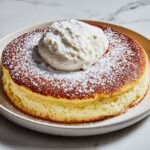
This melt-in-your-mouth vanilla cake features a rich vanilla flavor and a soft, moist crumb perfect for any celebration or casual dessert. Using a combination of all-purpose flour and cornstarch, along with buttermilk and a blend of butter and oil, this cake achieves a tender texture with a beautifully balanced sweetness.
Ingredients
Scale
For the Batter
- 300 g All-purpose Flour (can substitute with cake flour, reduce to 325g)
- 25 g Cornstarch (lightens the cake)
- 0.5 teaspoon Baking Soda (helps create lift)
- 1 teaspoon Baking Powder (works with baking soda for added rise)
- 0.5 teaspoon Salt (enhances flavor)
- 113 g Unsalted Butter (room temperature)
- 105 g Vegetable Oil (adds moisture)
- 332 g Granulated Sugar (preferred white granulated)
- 3 Large Eggs (room temperature)
- 1.25 tablespoon Vanilla Extract (provides depth of flavor)
- 1 teaspoon White Vinegar (enhances tenderness)
- 337 g Buttermilk (can substitute with homemade, reduce to 275g)
Instructions
- Preheat Oven and Prepare Pans: Preheat your oven to 165°C (330°F) with the fan on. Grease and line two 8-inch cake pans to prevent sticking.
- Sift Dry Ingredients: In a large mixing bowl, sift together the all-purpose flour, cornstarch, baking soda, baking powder, and salt. This ensures even distribution of leavening agents and a lighter cake texture.
- Cream Butter, Oil, and Sugar: In a separate bowl, use an electric mixer to blend the unsalted butter, vegetable oil, and granulated sugar until the mixture becomes light and fluffy, which helps incorporate air for a tender crumb.
- Add Eggs: Incorporate the eggs one at a time into the butter mixture, mixing well after each addition to maintain an even emulsion and prevent curdling.
- Mix in Flavorings and Half of the Buttermilk: Add the vanilla extract and white vinegar to the mix, then pour in half of the buttermilk. Mix just until combined to avoid overworking the batter.
- Alternate Folding Dry Ingredients and Buttermilk: Gradually fold in half of the sifted dry ingredients carefully, then add the remaining buttermilk and dry ingredients. Be gentle and avoid overmixing to maintain a light texture.
- Divide and Bake: Evenly distribute the batter between the prepared pans. Bake in the preheated oven for about 30 minutes or until a toothpick inserted into the center comes out clean.
- Cool the Cakes: Let the cakes cool in the pans for 15-20 minutes, then transfer them to wire racks to cool completely before frosting or serving.
Notes
- You can substitute cake flour for all-purpose flour by using 325g instead of 300g to achieve a lighter cake texture.
- Using white vinegar helps to tenderize the cake and reacts with the baking soda for increased rise.
- Make sure all the ingredients, especially eggs and butter, are at room temperature to ensure proper mixing and emulsion.
- Be careful not to overmix once the dry ingredients are added to prevent a dense cake.
- This cake pairs well with buttercream or cream cheese frosting, or can be enjoyed on its own.
- Allow the cakes to cool completely before stacking and decorating to avoid frosting from melting.