
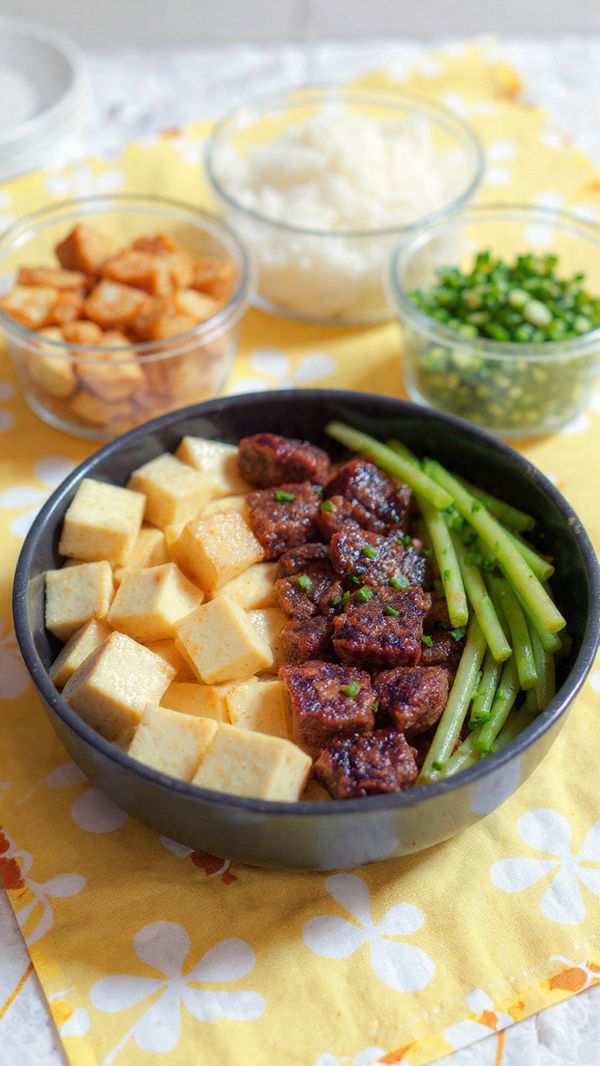
If you love rich, comforting flavors blended with a delightful mix of textures, then this Tofu Stew with Cantonese Roast Pork (Siu Yuk) Recipe is going to become one of your absolute favorites. Imagine tender, extra firm tofu soaking up a savory, slightly sweet sauce that’s been perfectly infused with the crispy, flavorful Cantonese roast pork known as Siu Yuk. This dish is humble yet deeply satisfying, combining the mellow silkiness of tofu with the aromatic punch of garlic, ginger, and shallots. Every bite tells a story of home-cooked love and a brilliant fusion of ingredients that together create a hearty stew ideal for sharing at the dinner table.

Ingredients You’ll Need
Gathering the right ingredients is simpler than you might think, but each one plays a crucial role. The tofu brings a gentle creaminess, while the Siu Yuk roast pork bursts with savory crunch. Aromatics like garlic and ginger lift the dish with their fragrant warmth, and the sauce ingredients perfectly balance salty, sweet, and umami notes to tie everything together beautifully.
- 650g leftover Cantonese roast pork (Siu Yuk): This gives the stew its rich, roasted pork flavor and crispy texture contrast.
- 1200g extra firm block tofu: Choose extra firm tofu because it holds its shape nicely and soaks up the sauce well.
- Several cloves of garlic: Adds a pungent aroma that complements the pork perfectly.
- Several shallots: Shallots bring a subtle sweetness and depth when stir-fried.
- Several slices of ginger: Ginger provides a fresh, slightly spicy underpinning to the stew.
- 2 bunches of spring onions, mostly whites: The white parts add savory notes; greens can be used for garnish.
- 6 tbsp light soy sauce: A lighter soy sauce that seasons without overpowering the dish.
- 2 tbsp dark soy sauce: Adds color and a hint of sweetness to the sauce.
- 6 tbsp oyster sauce: Brings essential umami richness that makes the stew irresistibly savory.
- 6 tbsp Shaoxing wine: A bit of this adds a delicate fragrance and depth to the sauce.
- Sugar and cornstarch to taste: Sugar balances the saltiness; cornstarch thickens the stew to a perfect consistency.
- About 900g of choisum: A crisp, leafy green vegetable to serve alongside and add freshness.
How to Make Tofu Stew with Cantonese Roast Pork (Siu Yuk) Recipe
Step 1: Prep Your Ingredients
Start by cutting the aromatics: thinly slice the garlic, shallots, ginger, and the white parts of the spring onions. Cube the extra firm tofu into medium-sized pieces—big enough to hold shape but still absorb the sauce. Also, chop your leftover Cantonese roast pork into bite-sized chunks. Having all your sauce ingredients ready and measured will make the cooking smooth and fun.
Step 2: Stir-Fry the Aromatics
Heat a pan over high heat and add a splash of oil. Quickly stir-fry your garlic, shallots, ginger, and the spring onion whites just until fragrant. This brief, high-heat step wakes up the flavors and creates a flavorful base that sets the tone for the entire stew.
Step 3: Add Roast Pork and Sauce
Next, toss in your chopped Siu Yuk roast pork. Stir it around so the fat starts to render slightly and the edges get a touch crispier. Pour in the light soy sauce, dark soy sauce, oyster sauce, Shaoxing wine, and sprinkle in sugar, adjusting to your taste. Mix well to coat every morsel in that luscious sauce goodness.
Step 4: Incorporate the Tofu
Gently add the tofu cubes to the pan and carefully toss them in the sauce so that each piece gets a generous coating. The sauce begins to cling to the tofu, soaking into its porous texture, which guarantees that every bite will be bursting with flavor.
Step 5: Simmer to Finish
Add enough water to loosen the sauce to your desired consistency—some like it stew-like, others prefer it saucier. Cover the pan and let everything simmer gently for several minutes. This resting time lets the flavors marry beautifully and the tofu absorb the fragrant pork-infused sauce.
Step 6: Serve with Fresh Choisum and Rice
Finally, plate your stew piping hot, accompanied by a bed of steamed rice and a side of simply blanched or stir-fried choisum. The green, slightly bitter vegetable contrasts perfectly against the savory stew, rounding out the meal with color and crunch.
How to Serve Tofu Stew with Cantonese Roast Pork (Siu Yuk) Recipe
Garnishes
Sprinkle some finely sliced green parts of the spring onions on top just before serving for a lovely fresh bite and vibrant color. If you like a bit of heat, a dash of chili oil or freshly chopped red chilies can be an exciting addition to brighten the flavors.
Side Dishes
Aside from the essential bowl of steamed jasmine or white rice, consider pairing this stew with simple sides like pickled vegetables or steamed bao buns. The acidity from pickles cuts through the richness, while bao buns offer a pillowy texture that complements the stew beautifully.
Creative Ways to Present
For a touch of elegance, serve the stew in individual small clay pots or deep bowls, allowing guests to appreciate the aroma and heat. You can also layer the choisum beneath the tofu stew to add a refreshing green base, making the presentation pop with color and texture contrast.
Make Ahead and Storage
Storing Leftovers
If you have any leftovers, simply transfer them to an airtight container and keep them in the refrigerator. The flavors often meld even more overnight, making the stew taste even better the next day.
Freezing
This Tofu Stew with Cantonese Roast Pork (Siu Yuk) Recipe freezes well for up to a month. Keep it in a freezer-safe container, and when you’re ready to enjoy it again, thaw it overnight in the refrigerator before reheating gently on the stove.
Reheating
Reheat your stew gently over low to medium heat, stirring occasionally. You might want to add a splash of water or broth to loosen the sauce if it has thickened too much in the fridge. Avoid microwaving too long, as tofu texture can suffer from harsh heating.
FAQs
Can I use fresh roast pork instead of leftover Siu Yuk?
Absolutely! Fresh Cantonese roast pork works wonderfully, just make sure to slice it thinly to allow the flavors to meld well. Leftover pork is great for convenience, but fresh adds a slightly different texture.
What type of tofu is best for this stew?
Extra firm tofu is the best option because it holds its shape during cooking and absorbs the sauce nicely without falling apart.
Can I make this dish vegetarian?
While the traditional recipe features Siu Yuk roast pork for its signature flavor, you can replace it with mushrooms or tempeh and adjust the sauces accordingly to make a vegetarian version with plenty of rich umami.
How spicy is this stew? Can I adjust the heat?
This stew is traditionally mild but packed with savory flavor. You can easily add chili or chili oil to increase the heat to your preference without changing the balance of the dish.
What is the best way to serve the choisirum?
Blanching choisum briefly in boiling water or stir-frying it with a bit of garlic works best. This keeps it crisp-tender and adds a fresh green contrast to the packing flavors of the stew.
Final Thoughts
Trust me, once you try this Tofu Stew with Cantonese Roast Pork (Siu Yuk) Recipe, it will become a comforting go-to in your cooking repertoire. The way the tofu soaks up the savory roast pork sauce, combined with those aromatic aromatics and fresh veggies, creates an unforgettable meal that feels like a warm hug. Don’t hesitate—give it a spin and enjoy all the delicious love packed into every spoonful!
Tofu Stew with Cantonese Roast Pork (Siu Yuk) Recipe
- Prep Time: 15 minutes
- Cook Time: 15 minutes
- Total Time: 30 minutes
- Yield: Serves 6
- Category: Main Dish
- Method: Stovetop
- Cuisine: Cantonese
Description
A comforting and savory Tofu Stew featuring tender Cantonese-style leftover roast pork (Siu Yuk) combined with soft extra firm tofu, all simmered with aromatic garlic, ginger, and shallots in a flavorful soy-based sauce. This hearty dish is perfect served hot alongside steamed rice and fresh choi sum to balance the richness.
Ingredients
Meat
- 650g leftover Cantonese roast pork (Siu Yuk)
Tofu
- 1200g extra firm tofu block
Aromatics
- Several cloves of garlic (about 4 cloves, minced)
- Several shallots (about 3-4, thinly sliced)
- Several slices of ginger (4-5 thin slices)
- 2 bunches of spring onions, mostly the white parts (about 8–10 stalks, chopped)
Sauce
- 6 tbsp light soy sauce
- 2 tbsp dark soy sauce
- 6 tbsp oyster sauce
- 6 tbsp Shaoxing wine
- Sugar to taste (approximately 1-2 tsp)
- Cornstarch to taste (about 1-2 tsp, for thickening)
Vegetables
- 900g choi sum (for serving)
Instructions
- Prepare Ingredients: Cut the aromatics—mince the garlic, thinly slice the shallots and ginger, and chop the white parts of the spring onions. Cut the tofu into bite-sized pieces. Also, prepare the sauce ingredients by measuring the soy sauces, oyster sauce, Shaoxing wine, sugar, and mix cornstarch with a small amount of water to make a slurry.
- Stir-Fry Aromatics: Heat a pan on high heat with a small amount of oil. Quickly stir-fry the garlic, shallots, ginger, and spring onion whites until fragrant but not browned, about 1-2 minutes.
- Add Roast Pork and Sauce: Add the leftover Cantonese roast pork to the pan and stir to combine with the aromatics. Pour in the light soy sauce, dark soy sauce, oyster sauce, Shaoxing wine, and add sugar to balance the flavors. Stir well to coat the pork evenly with the sauce.
- Add Tofu: Gently add the tofu pieces into the pan and toss carefully to coat them with the sauce without breaking them apart. Ensure the tofu is evenly covered with the savory sauce mixture.
- Simmer: Add water to the pan to your preferred consistency of sauce (approximately 200-300ml). Cover the pan and reduce heat to medium-low. Let the stew simmer for several minutes (around 5-8 minutes) to allow flavors to meld and the tofu to absorb the sauce.
- Thicken Sauce and Finish: Stir in the cornstarch slurry gradually to thicken the sauce until glossy and smooth. Adjust seasoning with more soy or sugar if needed. Remove from heat.
- Serve: Serve the tofu stew hot with steamed rice and blanched choi sum on the side to add a fresh vegetable component to the meal.
Notes
- Use leftover Cantonese roast pork (Siu Yuk) for the best flavor, but other types of roast pork or char siu can be substituted.
- Handle the tofu gently to avoid breaking it up when stirring.
- Adjust water amount to achieve your desired sauce consistency – add more for a thinner stew or less for a thicker glaze.
- Blanching choi sum before serving preserves its crunch and color.
- Leftover stew tastes great the next day once the flavors have further developed.
Your email address will not be published. Required fields are marked *