
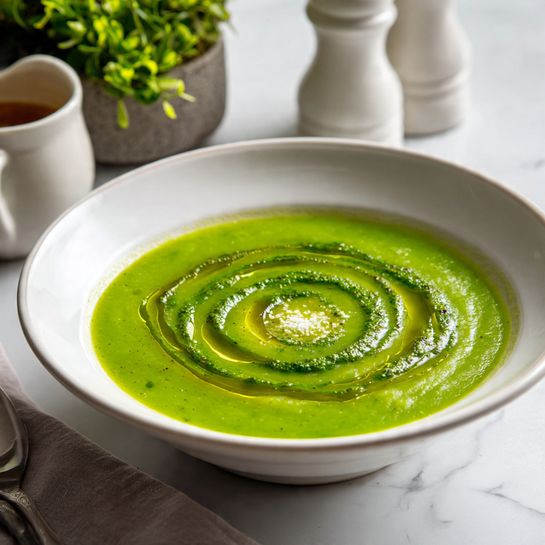
If you are craving a soul-warming, vibrant bowl of comfort, this Traditional Italian Green Pesto Minestrone is exactly what you need. This beautiful soup blends tender greens, fragrant herbs, and hearty vegetables with a luscious homemade pesto, capturing the essence of Italy in every spoonful. Unlike the usual tomato-based minestrone, this version brings a fresh, verdant twist using bright basil pesto, kale-like cabbage, and golden potatoes, making it wonderfully nourishing and deeply satisfying. Whether you’re warming up on a chilly day or seeking a healthy, colorful meal, this Traditional Italian Green Pesto Minestrone is your new go-to recipe that’s as delightful to make as it is to eat.

Ingredients You’ll Need
The magic of this Traditional Italian Green Pesto Minestrone lies in its simple yet purposeful ingredients. Each element adds a layer of flavor, texture, or color that makes the soup truly authentic and comforting. From aromatic herbs to crisp vegetables and a fresh basil pesto, these ingredients are easy to find and essential to the classic taste.
- Onion (1 small, diced): Provides a savory base and depth of flavor when sautéed gently.
- Garlic (4 cloves, sliced): Adds aromatic warmth and richness to the soup and pesto.
- Carrot (1, diced): Offers subtle sweetness and a tender texture that balances the greens.
- Celery stick (1, diced): Gives a slight crunch and fresh herbal note to the soffritto.
- Green cabbage (2 cups, shredded): Brings a hearty, leafy texture resembling traditional Italian greens.
- Rosemary (1 sprig): Infuses the broth with fragrant piney notes.
- Thyme (8 sprigs): Adds an earthy, floral bouquet that complements the vegetables perfectly.
- Olive oil (3 tablespoons): The lush fat that sautés veggies and enriches the soup’s flavor.
- Low sodium vegetable stock (1.5 quarts, plus more if needed): The flavorful liquid base that ties the soup together without overpowering.
- Golden potatoes (1.5 cups, diced): Provide creaminess and body, making the soup satisfying and filling.
- Sea salt (1.5 teaspoons plus more to taste): Enhances every ingredient, balancing the flavors beautifully.
- Canned borlotti or cannellini beans (15 oz, drained and rinsed): Adds protein and a velvety bite to each spoonful.
- Baby arugula or spinach (1 cup): Tossed in at the end for a gentle wilt and a peppery, fresh dash of green.
- Black peppercorns (1 teaspoon): Deliver a subtle, warming spice throughout the broth.
- Fresh basil (1 bunch, leaves only for pesto): The star herb, fragrant and bright, for the classic green pesto.
- Toasted nuts (¼ cup pine nuts, walnuts, or hazelnuts): Provide creaminess and texture in the pesto.
- Extra virgin olive oil (⅓ cup): Makes the pesto silky and rich.
- Lemon juice (from 1 lemon): Adds a fresh zing that lifts the pesto’s flavors.
- Parmesan cheese (¼ cup grated, plus a 4-inch rind for broth, optional): Imparts traditional umami depth—omit for a vegan version.
- Pinch of sea salt for pesto: Balances the bright pesto perfectly.
How to Make Traditional Italian Green Pesto Minestrone
Step 1: Building the Flavor Base
Start by warming a generous drizzle of olive oil in a large soup pot over medium heat. Add the diced onion, celery, and carrot with a pinch of sea salt, and gently sauté them for about 10 minutes. This classic soffritto forms the fragrant foundation of the soup, slowly coaxing out their natural sweetness and aromas. It’s the first step that transforms simple vegetables into something utterly delicious.
Step 2: Adding Herbs and Garlic
Next, toss in the sliced garlic, fresh rosemary sprig, thyme sprigs, and whole black peppercorns. Stir everything together to coat the vegetables in the fragrant herb oils. This infusion step layers the soup with piney, floral, and peppery notes that make the broth wonderfully complex and inviting.
Step 3: Incorporating the Greens
Now, add the shredded green cabbage to the pot, stirring it well to combine with the sautéed vegetables and herbs. Cook for another 5 to 10 minutes until the cabbage has softened and wilted but still holds a bit of body. This vibrant vegetable gives the soup its green character and a satisfying bite.
Step 4: Simmering the Potatoes and Broth
Add the diced golden potatoes, Parmesan rind if using, and pour in the vegetable stock. Bring everything to a gentle simmer. Let the soup cook for about 10 minutes or until the potatoes are tender when pierced with a fork. This step deepens the flavor and thickens the broth slightly, balancing creaminess with broth freshness.
Step 5: Finishing with Beans and Greens
Stir in the rinsed borlotti or cannellini beans and carefully adjust the seasoning with more sea salt as needed. At the very end, fold in the baby arugula or spinach leaves to wilt gently in the hot broth. These greens brighten the soup’s texture and flavors, making every spoonful feel fresh and lively.
Step 6: Preparing the Pesto
While the soup simmers, blend the pesto by pulsing the basil leaves, toasted nuts, garlic cloves, half of the lemon juice, and olive oil in a food processor until smooth. Season with a pinch of sea salt and add more lemon juice to taste. The fresh, creamy pesto elevates this Traditional Italian Green Pesto Minestrone, bringing brightness and richness to the dish.
Step 7: Serving the Soup
Ladle the piping hot minestrone into bowls and top each serving with generous spoonfuls of the vibrant green pesto. The oily, tangy pesto melts beautifully into the broth, adding bursts of herbaceous delight to every mouthful.
How to Serve Traditional Italian Green Pesto Minestrone
Garnishes
For a truly authentic experience, garnish your soup with a sprinkle of grated Parmesan cheese or a few extra fresh basil leaves. A crack of fresh black pepper or a drizzle of high-quality olive oil can add an extra layer of luxury. These small touches make each bowl inviting and photogenic, perfect for sharing.
Side Dishes
This minestrone pairs wonderfully with rustic crusty bread or herb-infused focaccia to soak up every drop of the verdant broth. For a heartier meal, serve alongside a fresh green salad or a platter of roasted vegetables. The soup’s delicate, green flavors also complement mild cheeses such as mozzarella or ricotta.
Creative Ways to Present
Try serving the Traditional Italian Green Pesto Minestrone in hollowed-out bread bowls for an eye-catching presentation. Drizzle the pesto in swirling patterns on top, or serve the pesto on the side for guests to customize their bowls. You can even layer the soup and pesto in clear glass mugs for an elegant, casual touch at gatherings or supper parties.
Make Ahead and Storage
Storing Leftovers
Store any leftover Traditional Italian Green Pesto Minestrone in an airtight container in the refrigerator for up to 3 days. The flavors actually deepen overnight, making your next meal even more delicious. Keep pesto and soup separate if possible, to preserve the pesto’s bright flavor and color.
Freezing
You can freeze the minestrone soup without pesto for up to 3 months. Be sure to leave some space in the container as it expands during freezing. Thaw slowly in the refrigerator before reheating gently on the stove. Add freshly made pesto only after reheating for the best flavor and vibrant color.
Reheating
Reheat the soup slowly over medium-low heat, stirring occasionally to prevent sticking. Do not boil as it may change the texture of the vegetables. Once warm, ladle into bowls and stir in fresh pesto before serving. This ensures the pesto retains its bright, fresh herbal character that defines the Traditional Italian Green Pesto Minestrone.
FAQs
Can I use store-bought pesto for this recipe?
Absolutely! While homemade pesto adds a wonderful freshness, a good quality store-bought pesto works beautifully and saves time, especially on busy days.
Is this Traditional Italian Green Pesto Minestrone vegan?
The classic recipe includes Parmesan cheese and rind, but you can easily adapt it by omitting the cheese and using a vegan pesto, making it deliciously plant-based without losing flavor.
Can I substitute the potatoes for another vegetable?
Yes, you can swap potatoes with other root vegetables like turnips or parsnips, or even add zucchini for a lighter twist. Keep in mind potatoes add creaminess, so substitutes will slightly change the texture.
How spicy is the soup?
This minestrone is gently spiced only with black peppercorns, making it mild and approachable for all palates. You can add a pinch of red pepper flakes if you like a touch of heat!
What is the best way to store leftover pesto?
Store pesto in a small container and cover it with a thin layer of olive oil to prevent browning. Keep refrigerated and consume within 5 days for peak freshness.
Final Thoughts
This Traditional Italian Green Pesto Minestrone is one of those recipes that feels like a warm hug in a bowl. It’s simple to make but brimming with layers of fresh, herbaceous flavor that celebrate Italy’s vegetable-rich cooking tradition. Whether you’re a seasoned cook or just starting out, this soup invites you to enjoy the pleasures of wholesome, mindful eating. I wholeheartedly encourage you to try it — I promise it will become a beloved fixture on your table!
Print
Traditional Italian Green Pesto Minestrone
- Prep Time: 10 minutes
- Cook Time: 25 minutes
- Total Time: 35 minutes
- Yield: 6 servings 1x
- Category: Soups
- Method: Stovetop
- Cuisine: Italian
- Diet: Vegetarian
Description
A traditional Italian vegetarian green minestrone soup made without tomatoes and enhanced with homemade basil pesto, cabbage, potatoes, and beans. This hearty and flavorful soup is perfect for a comforting, nutritious meal with fresh herbs and a creamy pesto finish.
Ingredients
Vegetable Soup
- 1 small onion, diced
- 4 cloves garlic, sliced
- 1 carrot, diced
- 1 stick celery, diced
- 2 cups green cabbage, shredded
- 1 sprig rosemary
- 8 sprigs thyme
- 3 tbsp olive oil
- 1.5 qt low sodium vegetable stock, plus more as needed
- 1.5 cups golden potatoes, diced into 1/2 inch cubes
- 1.5 tsp sea salt, plus more to taste
- 15 oz canned borlotti or cannellini beans, drained and rinsed well
- 1 cup baby arugula or spinach
- 1 tsp black peppercorns
- 4 inches Parmesan rind (optional)
Pesto
- 1 bunch fresh basil leaves only
- 1/4 cup toasted pine nuts, walnuts, or hazelnuts
- 1/3 cup extra virgin olive oil
- 1 lemon, juiced (half for pesto, half for seasoning)
- 1/4 cup Parmesan cheese, grated
- 2 cloves garlic
- 1 pinch sea salt, to taste
Instructions
- Prepare the base vegetables: Heat a soup pot over medium heat and add a lug of olive oil. Add the diced onion, celery, and carrot with a pinch of salt and sauté for about 10 minutes until softened and fragrant.
- Add aromatics and cabbage: Stir in the sliced garlic, rosemary sprig, thyme sprigs, and black peppercorns. Toss everything quickly to coat with oil and flavors. Next, add the shredded cabbage and cook for another 5 to 10 minutes until the cabbage wilts.
- Simmer the soup: Add the diced golden potatoes, Parmesan rind (if using), and low sodium vegetable stock to the pot. Bring the soup to a simmer and cook for about 10 minutes, or until the potatoes are tender when pierced with a fork.
- Incorporate beans and greens: Stir in the drained and rinsed cannellini or borlotti beans and the cup of baby arugula or spinach. Cook for a couple more minutes just until the greens wilt. Adjust seasoning with additional sea salt as needed.
- Make the pesto: While the soup cooks, combine the basil leaves, olive oil, garlic cloves, toasted nuts, and half the lemon juice in a food processor. Puree until smooth. Add grated Parmesan cheese and season with a pinch of sea salt and more lemon juice to taste.
- Serve: Ladle the green minestrone into bowls and top with a generous spoonful of fresh pesto. Serve hot as a comforting and nutritious meal.
Notes
- For a vegan version, omit the Parmesan rind from the broth and leave out the grated Parmesan cheese in the pesto.
- You can substitute the nuts in the pesto with walnuts or hazelnuts if pine nuts aren’t available.
- Adjust the amount of vegetable stock to achieve your preferred soup consistency.
- Fresh arugula or spinach added at the end adds a nice peppery or mild green flavor and texture.
- Store-bought pesto can be used to save time, but homemade pesto adds freshness and depth.
Your email address will not be published. Required fields are marked *